When you hear prostitution laws Netherlands, the legal framework that governs sex work in the Netherlands, including window brothels, independent workers, and client rights. Also known as Dutch sex work regulations, it’s one of the most transparent systems in the world—yet still misunderstood by tourists and outsiders. Unlike most countries, the Netherlands doesn’t ban sex work. It regulates it. Workers can legally rent windows in designated zones, run their own businesses, pay taxes, and access healthcare. This isn’t about tourism or spectacle—it’s about labor rights, safety, and control.
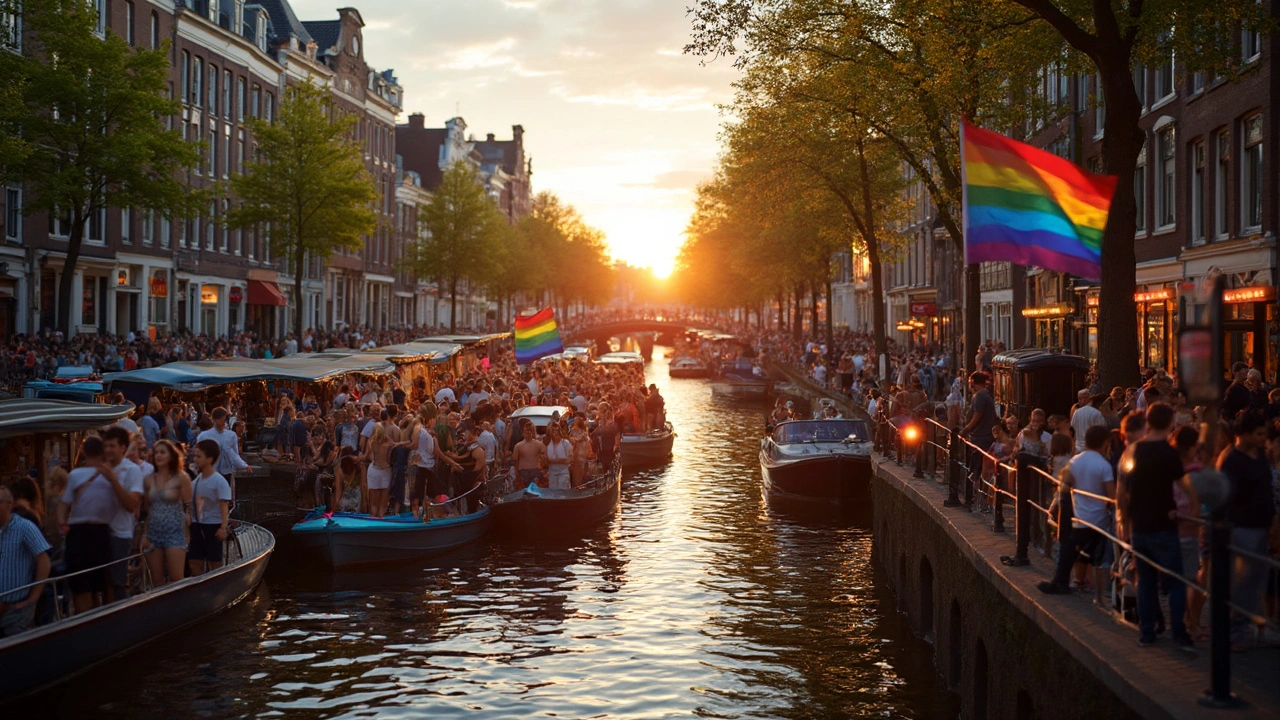
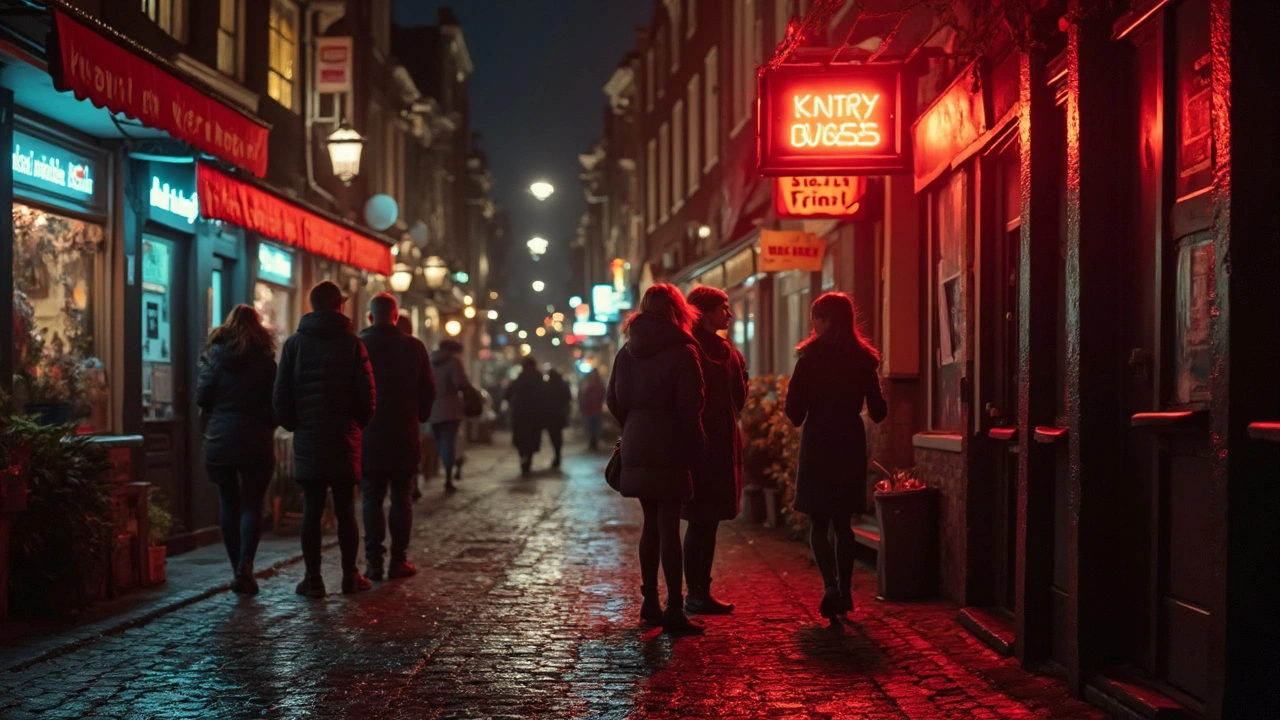
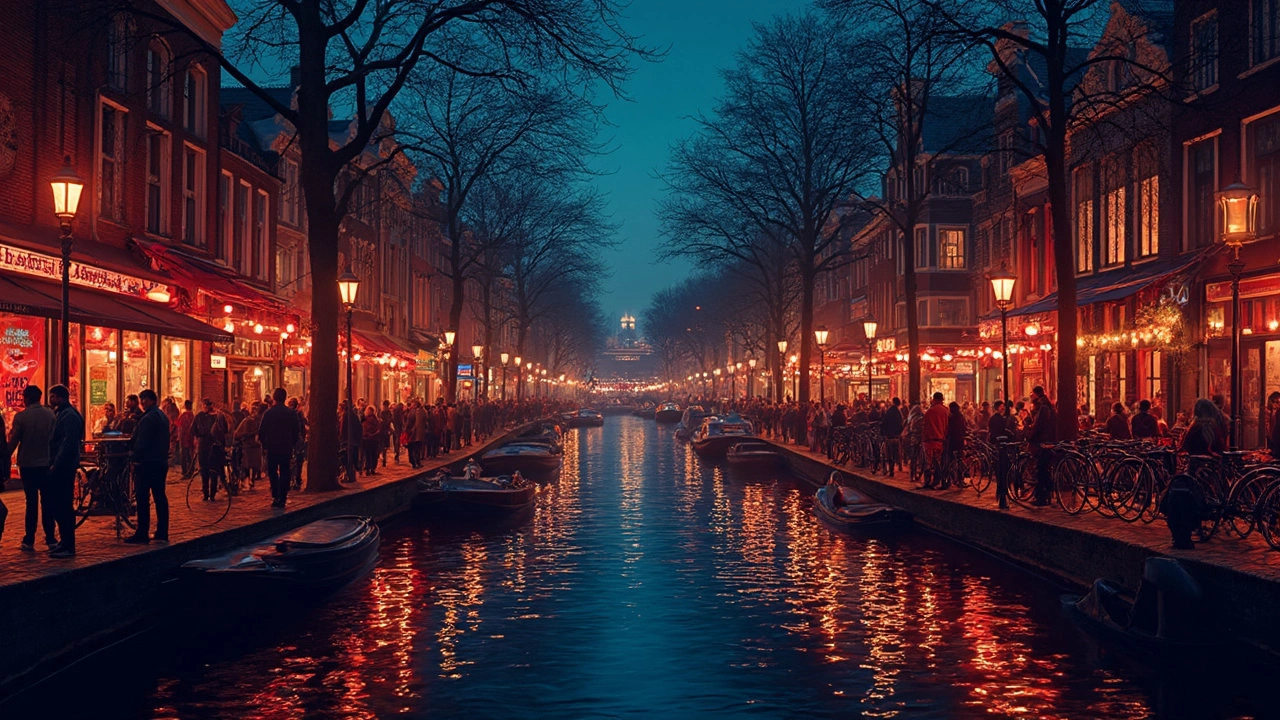
The Amsterdam Red Light District, a network of streets in central Amsterdam where sex work is visibly organized and legally permitted. Also known as De Wallen, it’s not a free-for-all. Every window operator must be registered, pay rent to the city, and follow strict rules: no coercion, no underage workers, no unlicensed agencies. The city enforces these rules with regular inspections. But here’s the twist: while the work itself is legal, many related activities aren’t. Pimping, human trafficking, and unlicensed brothels are serious crimes. The system works only when workers have autonomy—and that’s why so many now operate independently, using social media to screen clients and set their own rates. That shift—from agency-controlled windows to solo workers managing their own profiles—is one of the biggest changes in the last decade. It’s not just about safety; it’s about dignity. Workers are no longer just visible faces behind glass. They’re entrepreneurs, marketers, and service providers.
And then there’s the escort services Amsterdam, a category of sex work that includes companionship, dinner dates, and private meetings outside the Red Light District. Also known as premium companionship, it’s grown rapidly as clients seek discretion and personalized experiences. These services operate in apartments, hotels, or even homes. They’re not in windows. They’re not on street corners. They’re often booked through vetted platforms or word of mouth. The law treats them the same as window work: legal if consensual, taxed, and free from exploitation. But tourists often confuse them with illegal operations—leading to scams, overcharging, or worse.
What you won’t find in guidebooks is how these laws affect daily life. Sex workers here can file police reports without fear of arrest. They can open bank accounts. They can sue clients who don’t pay. They can unionize. That’s not the case in most places. But the system isn’t perfect. Rising tourism has turned parts of the district into a carnival—flashy signs, drunk visitors, loud cameras. That puts pressure on workers. Some have moved online. Others have left entirely. The laws are still strong, but the environment is changing fast.
What follows are real stories from people who live and work under these rules. You’ll read about how social media gave workers more power. How tourism reshaped the district. How to negotiate safely. How luxury escorts operate without the spotlight. These aren’t tourist myths. They’re facts from inside the system. Whether you’re curious, planning a visit, or just trying to understand what’s really going on—this collection cuts through the noise. No judgment. No fluff. Just what the law says, what it means, and how people actually live by it.
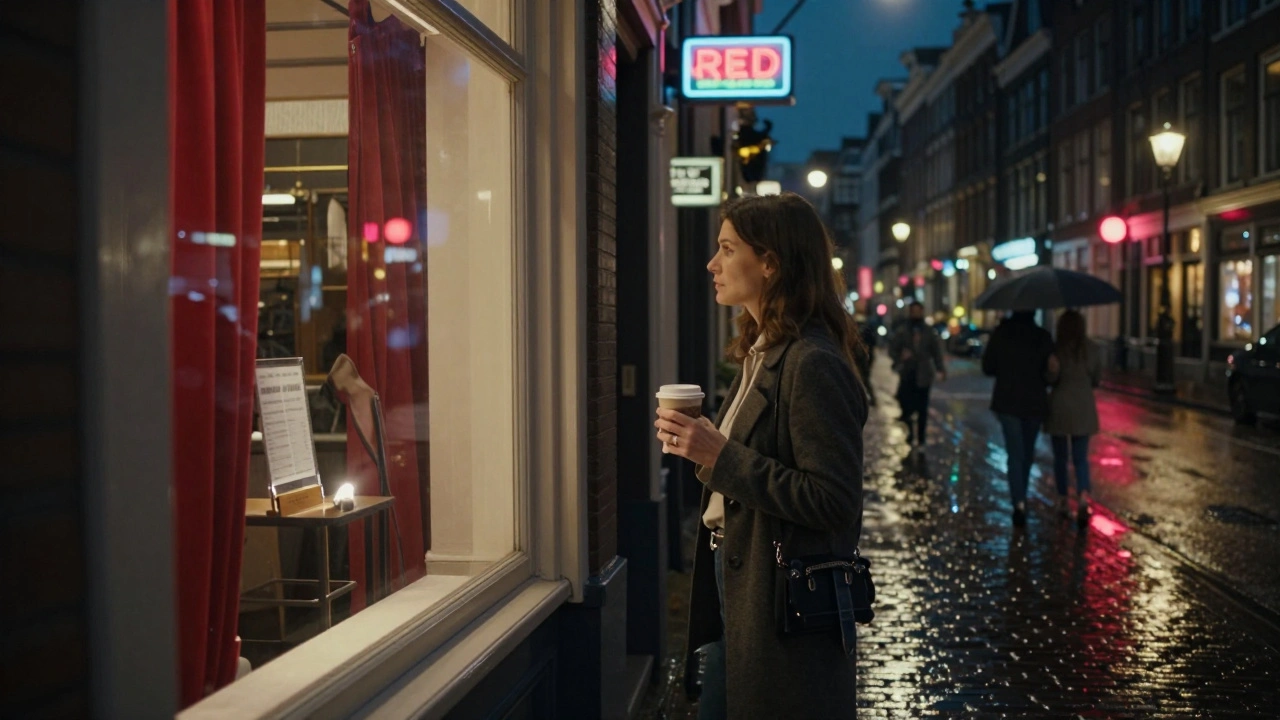
An inside look at how sex work functions as a real economy in Amsterdam-covering earnings, costs, legal risks, and the shift from windows to online platforms. Based on 2025 data from workers and researchers.
View More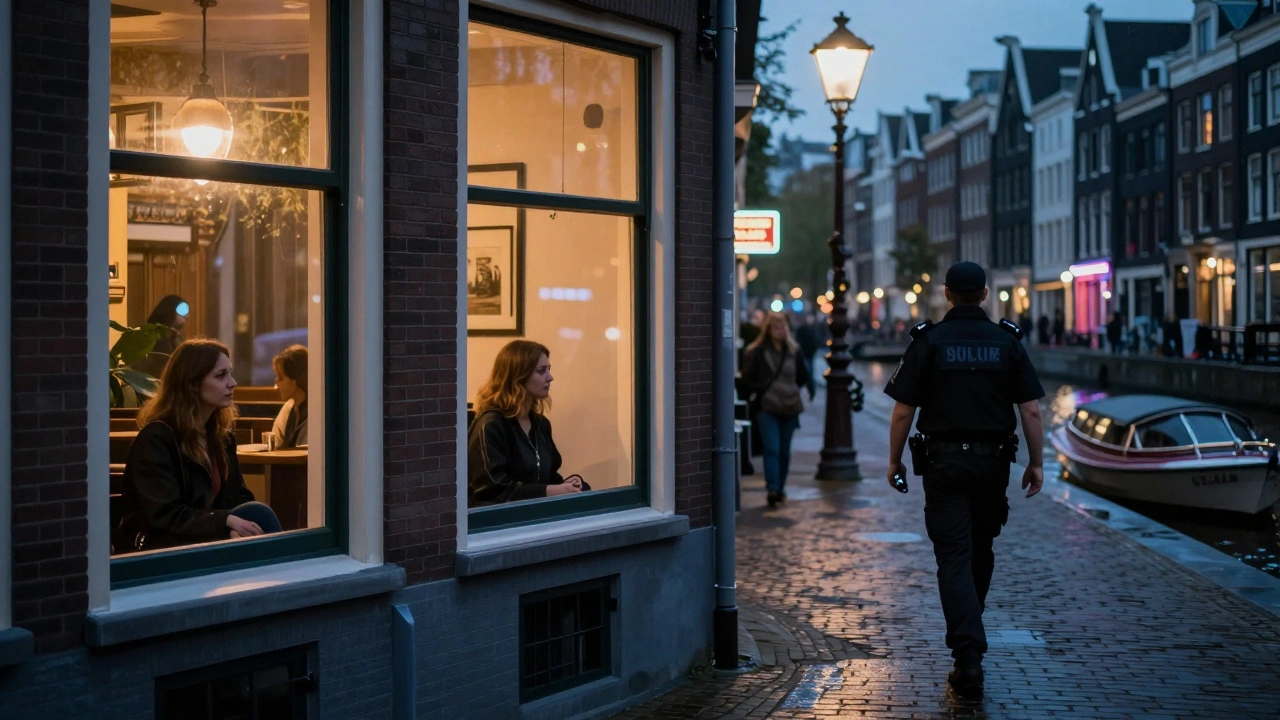
The red-light district in Amsterdam shapes the daily lives of sex workers through legal frameworks, economic pressures, and social stigma. This is what it’s really like to work in De Wallen.
View More