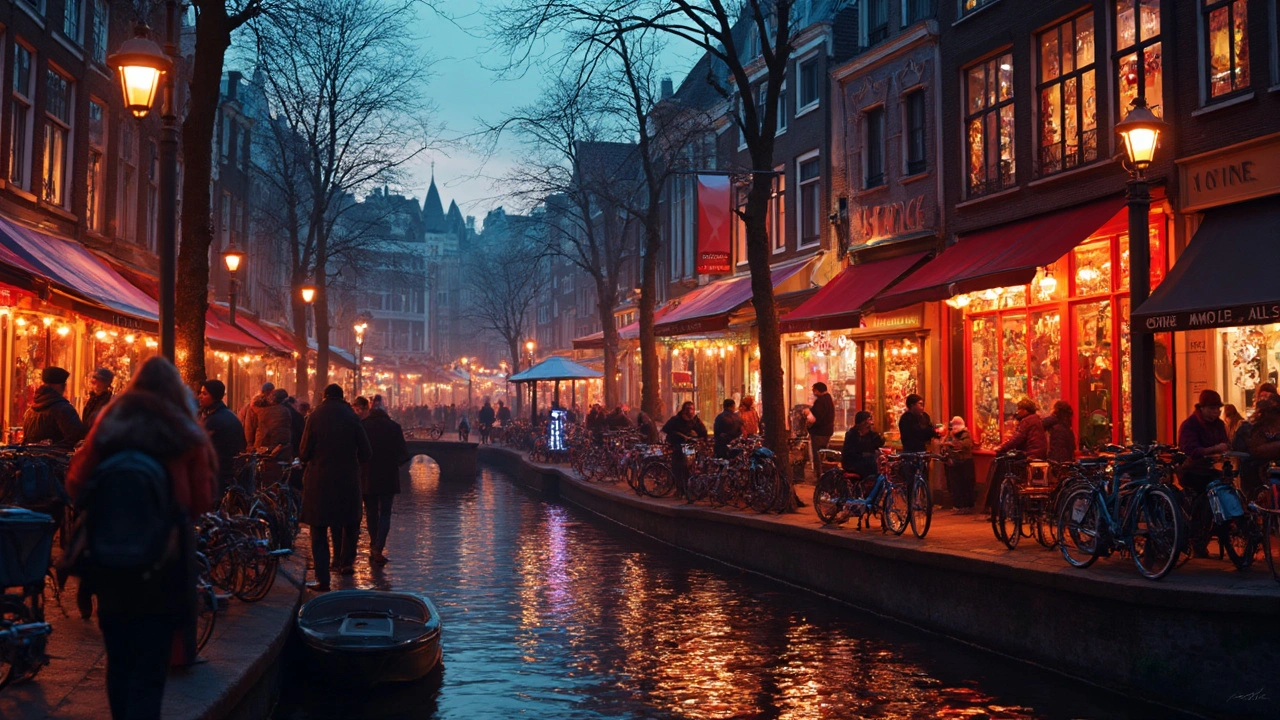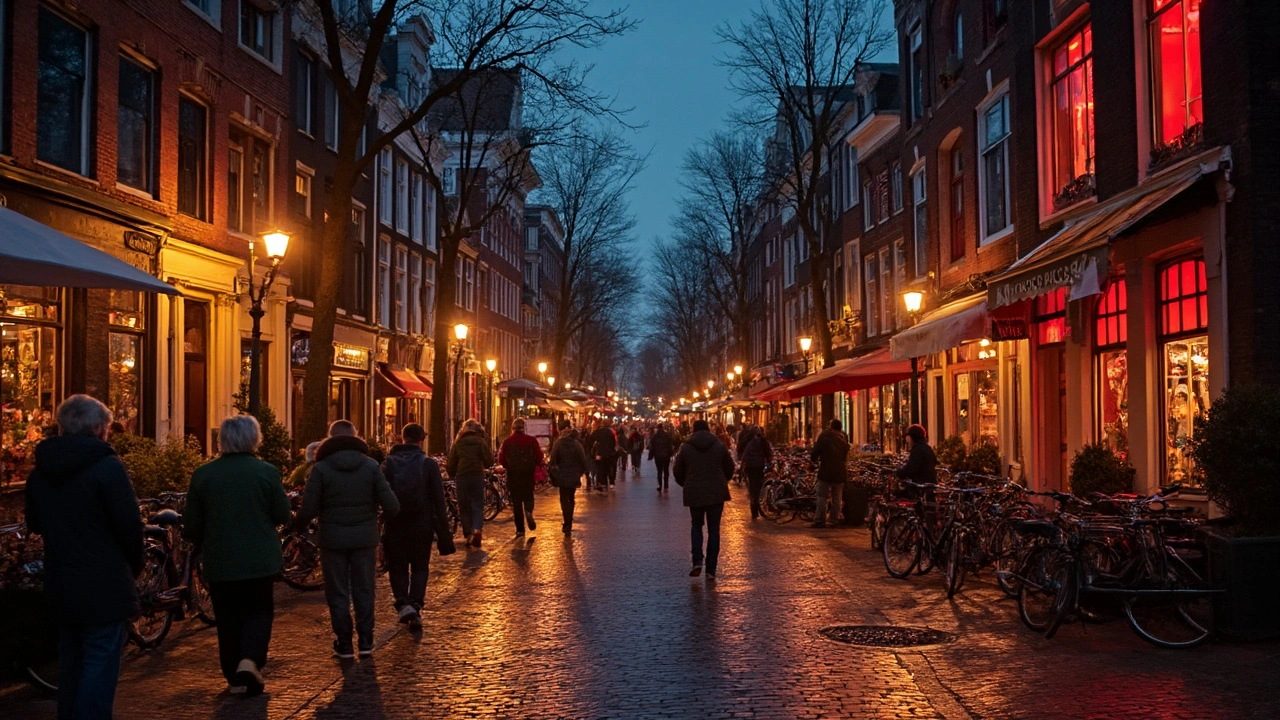
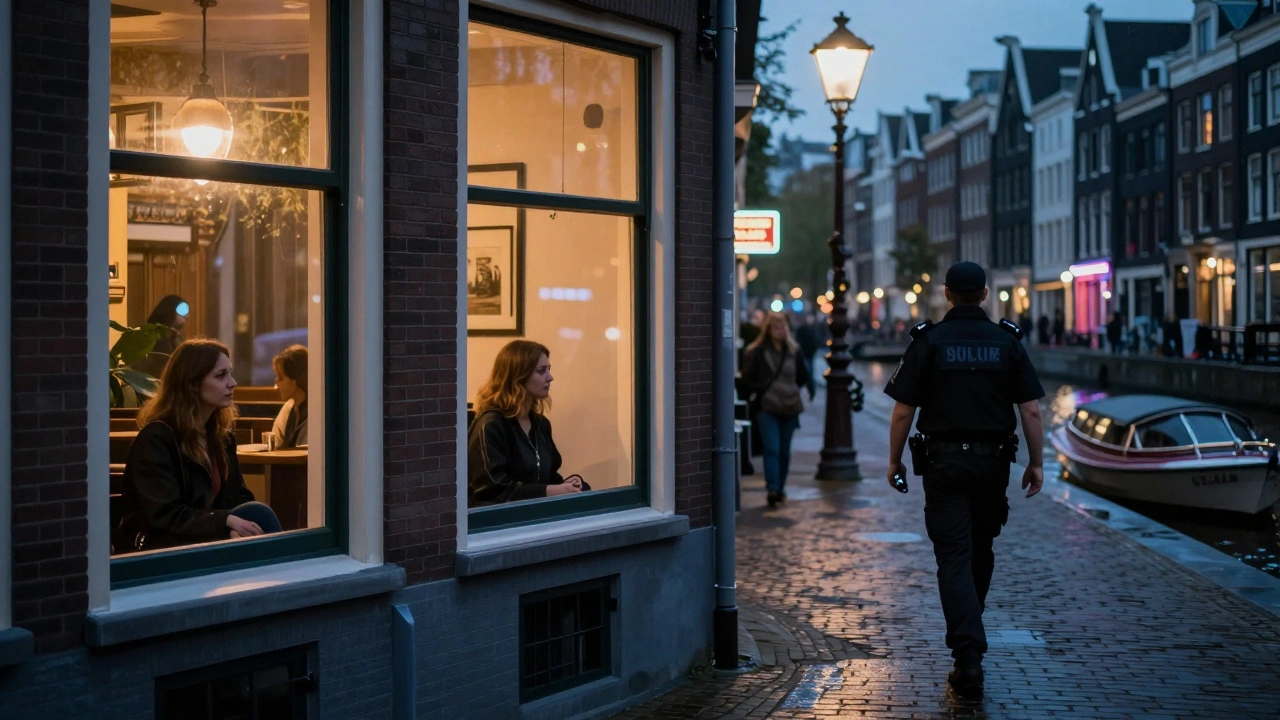
Walk through De Wallen on a quiet evening and you’ll see the softly lit windows, the quiet hum of conversation, the occasional knock on a door. This isn’t just a tourist attraction-it’s a workplace. For hundreds of women in Amsterdam, the red-light district isn’t a backdrop to their lives; it’s the foundation of their income, their safety, and their daily reality.
The Legal Framework That Keeps Them Working
In the Netherlands, prostitution has been legal since 2000, but it’s not free-for-all. Sex workers in Amsterdam must register with the city, pay taxes, and work in licensed premises. The red-light district is the only area where window prostitution is officially permitted. Outside De Wallen, working from apartments or hotels is illegal-and risky. That’s why nearly 80% of registered sex workers in Amsterdam operate within this zone.
The law doesn’t protect them from everything, though. Many still face harassment from clients, landlords raising rent, or police raids on unlicensed operators. But having a legal framework means they can report abuse without fear of arrest. In 2023, Amsterdam’s municipal report showed a 34% drop in violent incidents against sex workers since the city introduced mandatory client ID checks and 24-hour security patrols in De Wallen.
How the District Controls Their Daily Lives
Working in a window isn’t like choosing a desk job. Your schedule is set by foot traffic, weather, and the rhythm of tourists. Most start at 5 p.m. and finish around 2 a.m. The busiest nights? Fridays and Saturdays, especially during events like Amsterdam Dance Event or King’s Day. On slow nights, some women earn less than €40. On peak nights, they can make over €500.
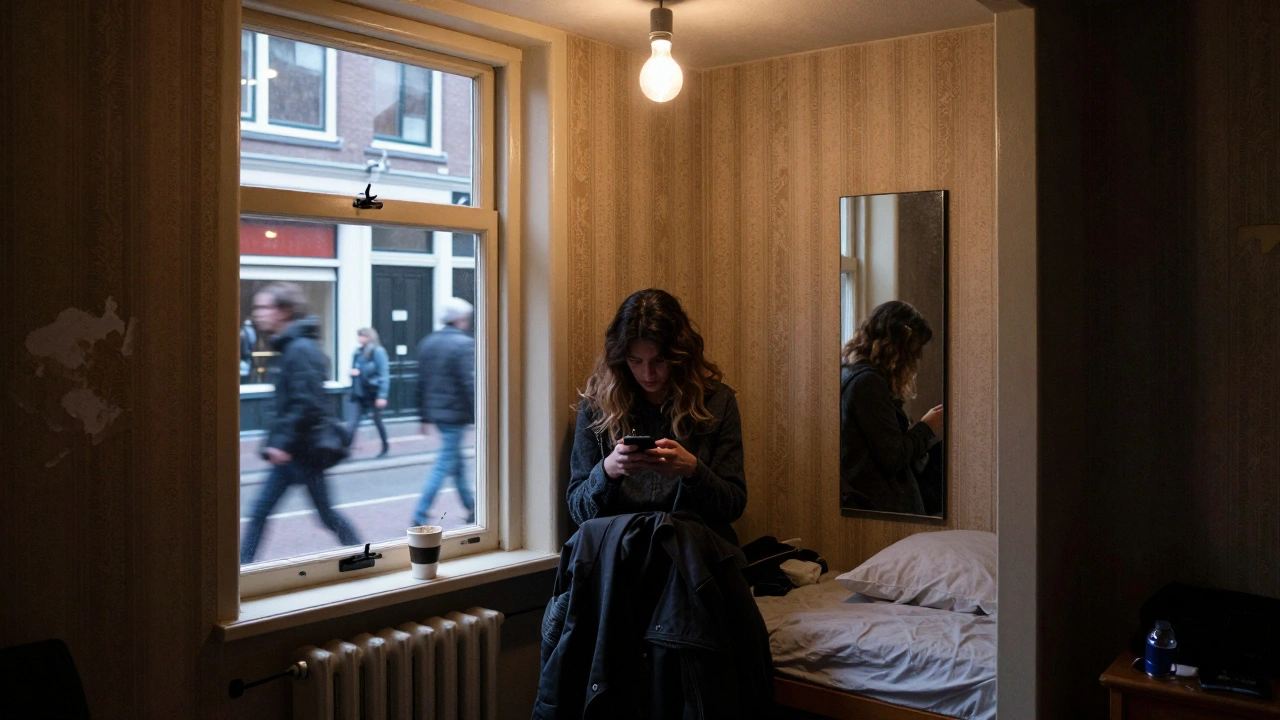
Space is tight. A typical window room is about 3 by 3 meters. Some have mirrors, chairs, and small sinks. Others are just a bed and a curtain. Rent for these spaces ranges from €800 to €2,200 a month, depending on location. The best spots-near the Oude Kerk or the main canal bridges-cost more, but bring more clients. Many workers share rooms to split rent, especially if they’re new or from countries with lower incomes.
There’s no union, but there’s a network. Women exchange tips through WhatsApp groups: which clients are safe, which landlords are fair, where to get a cheap meal after work. Some older workers mentor newcomers, teaching them how to set boundaries, how to spot a scam, how to say no without fear.
The Real Cost of Visibility
Being visible in De Wallen has a price. Tourists take photos. Men shout from the street. Some assume all women here are easy to approach, or that they’re all there by choice. The truth is more complex. Some women came to Amsterdam to escape violence at home. Others needed to pay for medical care for their children. A few are students trying to cover tuition. A small number are trafficked-but the city’s 2024 anti-trafficking report found only 12 confirmed cases among the 600+ registered sex workers in the district.
Still, stigma follows them everywhere. A woman working in De Wallen might be turned down for an apartment, refused service at a bank, or have her children bullied at school. Many use pseudonyms. Some don’t tell their families. One woman I spoke to, who goes by Lina, said: “I don’t hide what I do. But I don’t talk about it at my daughter’s parent-teacher meeting either.”
Who Benefits From the System?
The city collects €2.1 million a year in taxes from registered sex workers. Property owners make millions renting out windows. Tourists spend €180 million annually in the district, mostly on bars, coffee shops, and souvenirs. But the women who work in the windows? Many take home less than €1,500 a month after rent, taxes, and expenses.
There’s no minimum wage for sex work in the Netherlands. That means earnings depend entirely on how many clients you see-and how much you’re willing to negotiate. Some women charge €50 for 15 minutes. Others offer longer sessions for €100-€150. The most experienced workers often set higher prices and turn away clients who don’t respect boundaries.
Meanwhile, the real estate market in De Wallen has exploded. A single window unit sold for €1.2 million in 2023. Many landlords are investors from outside the Netherlands who have no interest in the workers’ well-being. Some cut corners: no heating in winter, broken locks, no emergency exits. Workers have no legal power to demand repairs. If they complain, they risk eviction.
Changing Times, Changing Needs
More women are moving online. Apps like OnlyFans and private booking sites are becoming alternatives to window work. One 2024 survey by the Dutch Sex Workers’ Union found that 41% of women under 30 now work exclusively online. They say it’s safer, more profitable, and gives them control over their schedules.
But online work isn’t perfect. It’s harder to verify clients. Scams are common. And without the physical presence of security guards or neighbors, isolation becomes a problem. Some women who switched to online work still keep their window as a backup. “If the internet goes down,” one told me, “I still have a door I can open.”
What Happens When You Want Out?
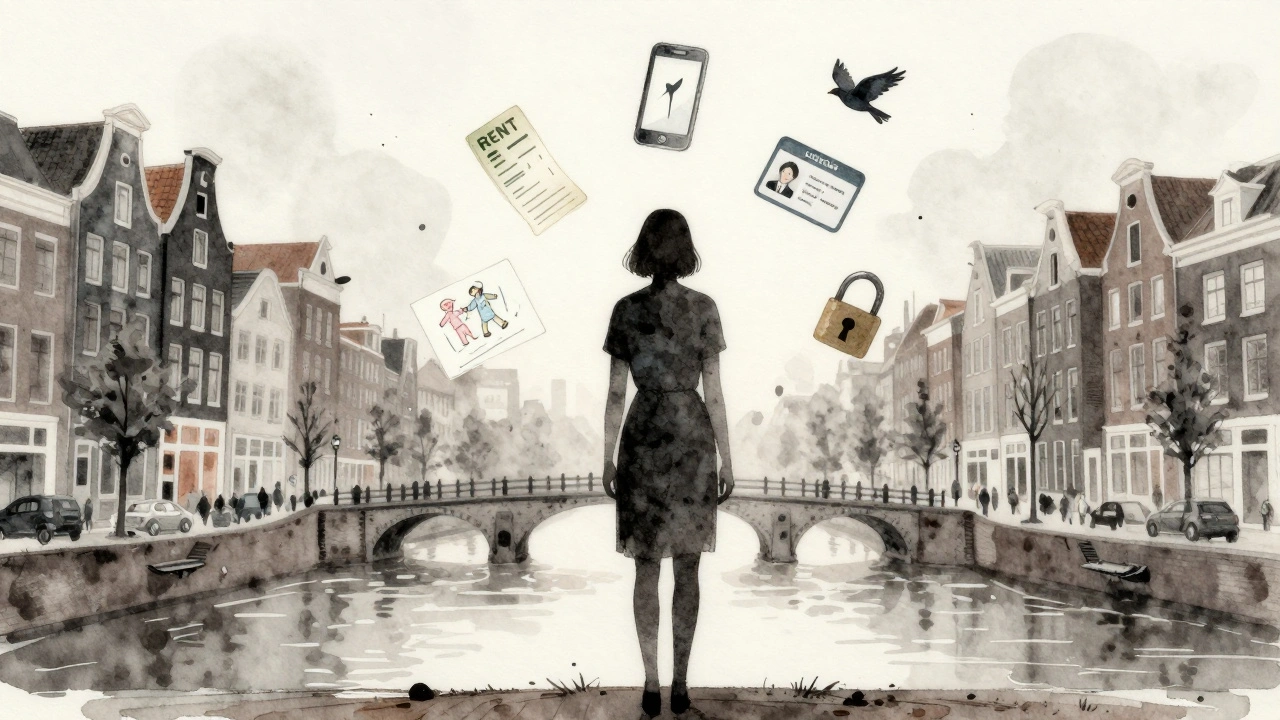
Leaving the industry isn’t easy. Many have no savings. Others have no family support. Some are undocumented. The city offers exit programs-free counseling, job training, housing help-but only 18% of women who qualify actually use them. Why? Fear. Shame. Lack of trust.
One woman, Maria, worked in De Wallen for seven years. She saved €12,000, took a course in graphic design, and now runs a small studio from her apartment. “No one helped me,” she said. “I just got tired of being seen as a thing, not a person.”
Her story is rare. Most don’t have the same luck. The system doesn’t make it easy to leave. But it’s not impossible.
It’s Not About Morality. It’s About Survival.
People argue about whether prostitution should be legal. But for the women working in these windows, the question isn’t about right or wrong. It’s about survival. About feeding a child. Paying rent. Getting out of debt. Staying safe.
Amsterdam’s red-light district isn’t a carnival. It’s a labor market with rules, risks, and real people. The women who work here aren’t victims. They aren’t villains. They’re workers-trying to get by in a system that doesn’t always see them as human.
If you visit De Wallen, look past the neon lights. Notice the woman who smiles politely but keeps her eyes on the door. The one who checks her phone every ten minutes. The one who walks home slowly, head down, after midnight. They’re not here because they have no other choice. They’re here because they’ve made a choice-and they’re still standing.
Are call girls in Amsterdam safe?
Working in licensed windows in De Wallen is safer than working illegally. The city enforces ID checks, has security patrols, and allows workers to report abuse without fear of arrest. But safety isn’t guaranteed. Harassment, violent clients, and unsafe housing still happen. Many workers rely on peer networks and personal boundaries to protect themselves.
Do all women in the red-light district choose this work?
No. Some came to Amsterdam to escape abuse, debt, or war. Others are students, single mothers, or migrants with few options. A small number are trafficked, but official data shows this is rare among registered workers. Most are there because it’s the most viable way to earn money right now-not because they dream of it.
How much do sex workers in Amsterdam earn?
Earnings vary widely. On slow nights, some make €30-€50. On busy nights, €400-€600 is possible. After rent (€800-€2,200/month), taxes, and expenses, many take home €1,000-€1,800 monthly. There’s no minimum wage. Pay depends on how many clients they see and how much they charge.
Can sex workers leave the industry?
Yes, but it’s hard. The city offers job training and housing support, but only 18% of eligible workers use these programs. Barriers include stigma, lack of savings, no family support, and fear of judgment. Some leave successfully-like Maria, who became a graphic designer-but most need external help to make the transition.
Is the red-light district getting more or less popular?
Tourist numbers in De Wallen have stayed steady at around 5 million annually. But the number of window workers has dropped 22% since 2019. More are moving online. Younger workers prefer apps and private bookings. The district is shrinking-not because of crackdowns, but because the work is changing.
Why do landlords charge so much for window rooms?
Because they can. The red-light district is prime real estate. Investors from abroad buy properties specifically to rent out windows. Demand from workers is high, supply is low, and there’s no rent control. Some landlords charge over €2,000 a month for a tiny room-far more than the average Dutch rent. Workers have little power to negotiate.
Are clients required to show ID?
Yes. Since 2020, all clients entering a licensed window must show a government-issued ID. This rule was introduced to reduce violence and prevent underage clients. Police randomly check IDs. Workers are trained to refuse service without ID. Most follow this rule strictly-it’s their main safety tool.
Is prostitution legal everywhere in Amsterdam?
No. Window prostitution is only legal in designated areas like De Wallen. Working from apartments, hotels, or streets is illegal. Many women who work online do so from home, which is technically against the law-but enforcement is rare unless there’s a complaint. The city focuses on regulating the district, not chasing individuals.