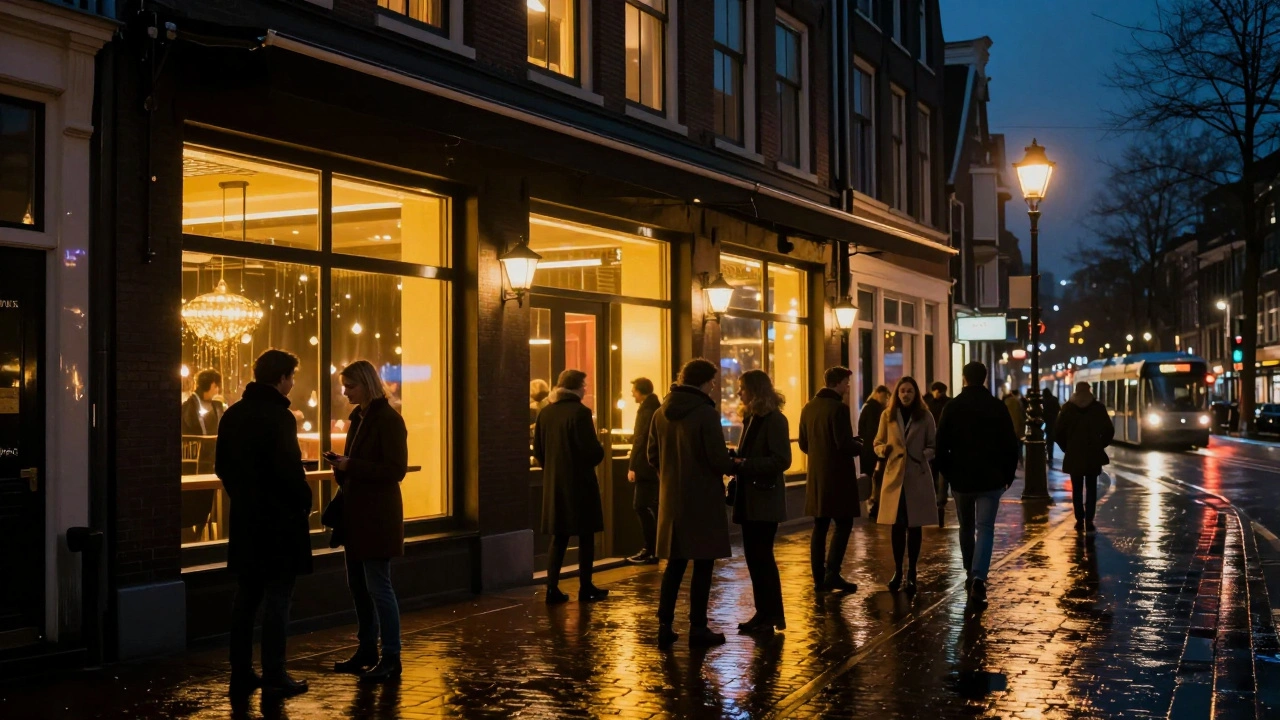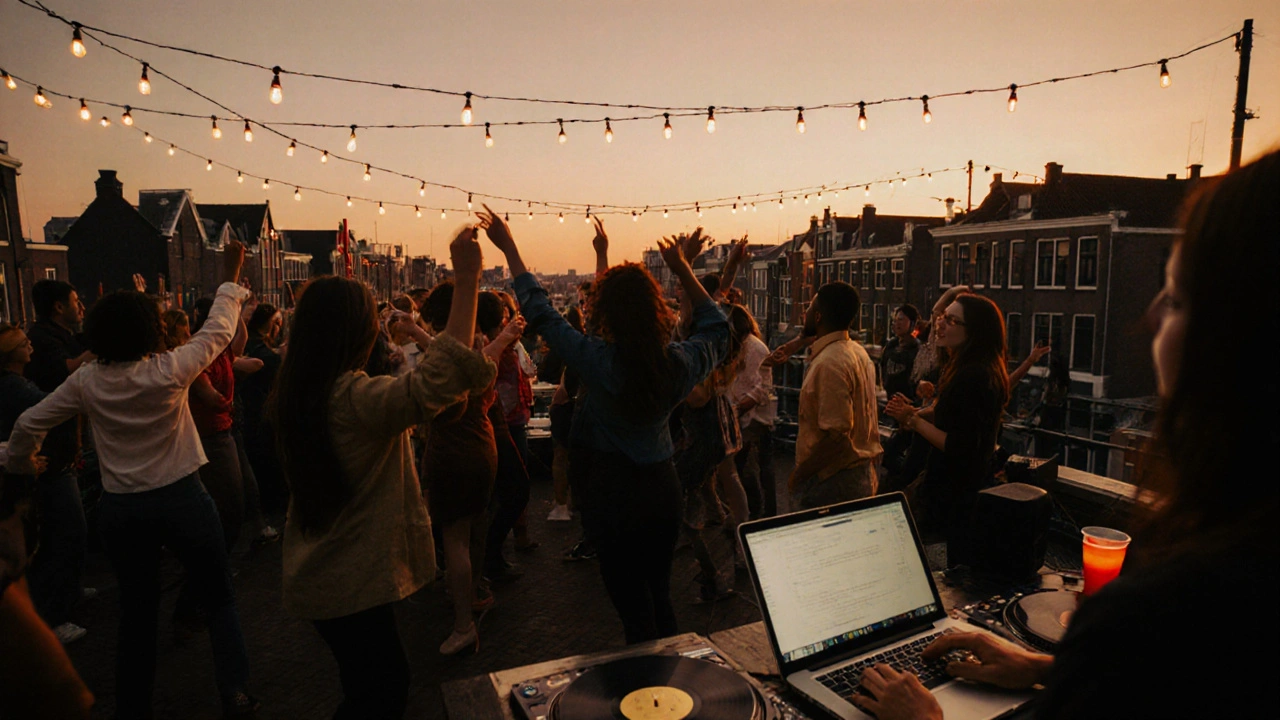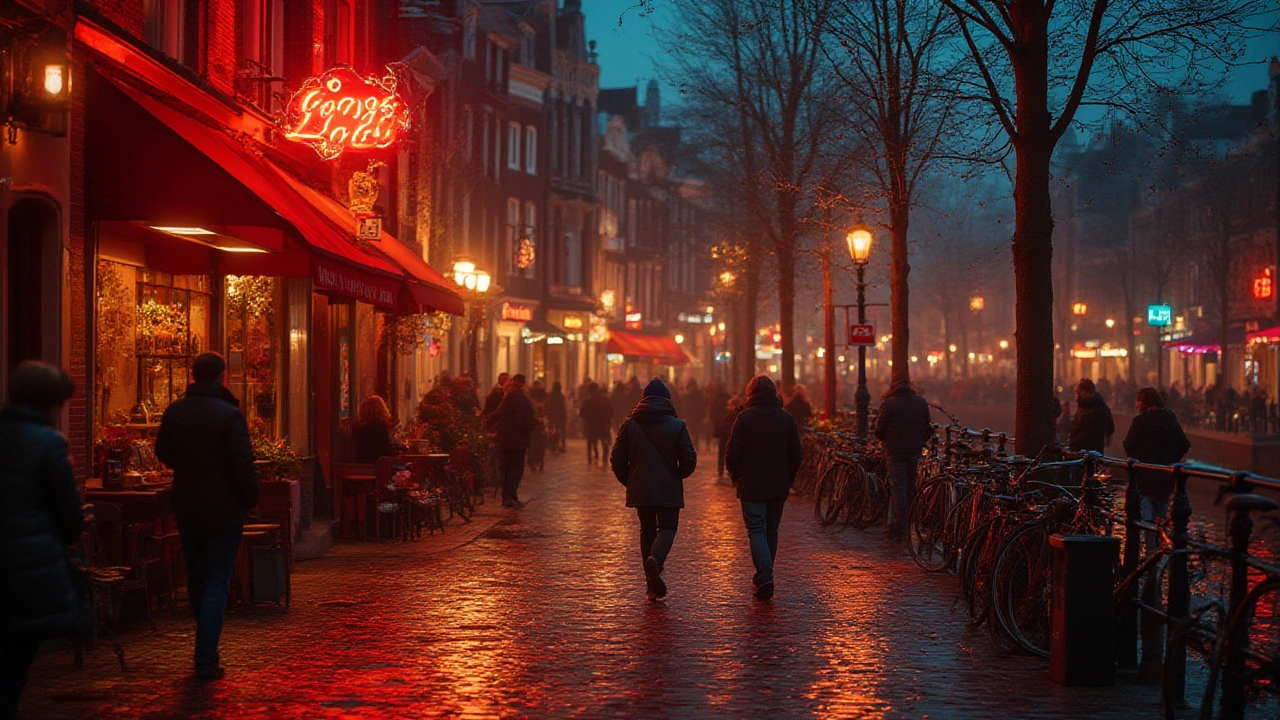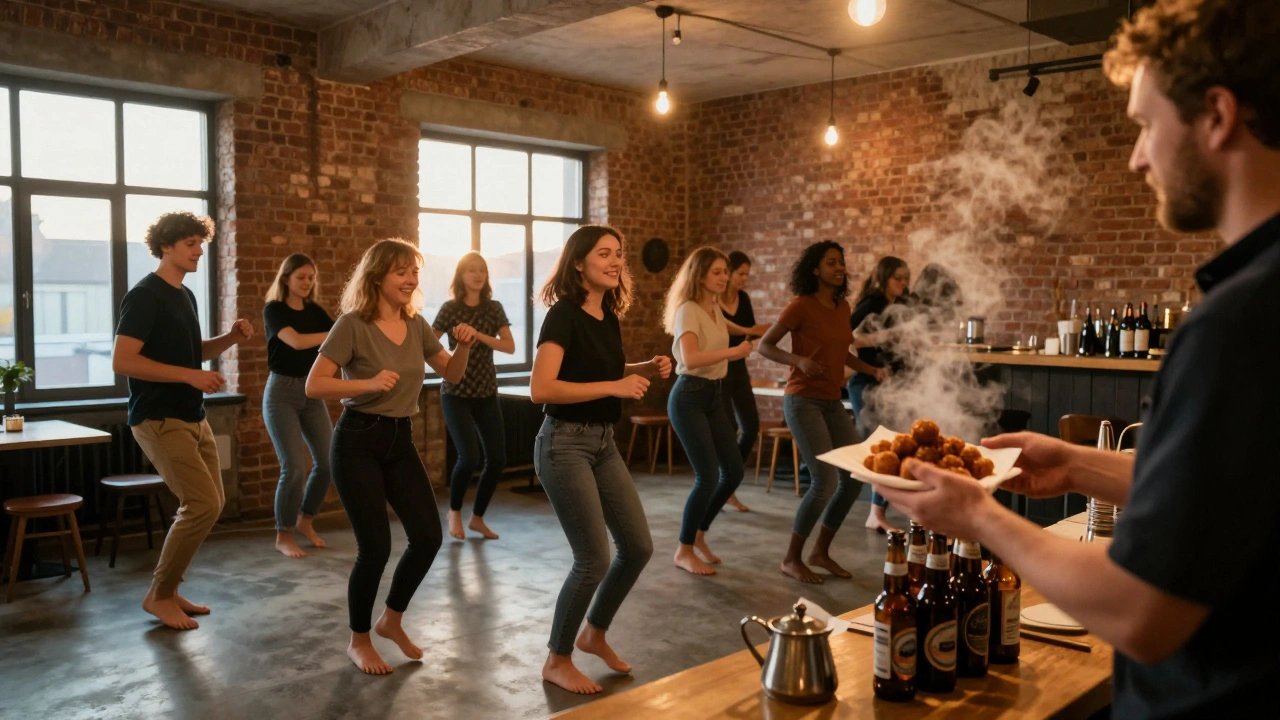
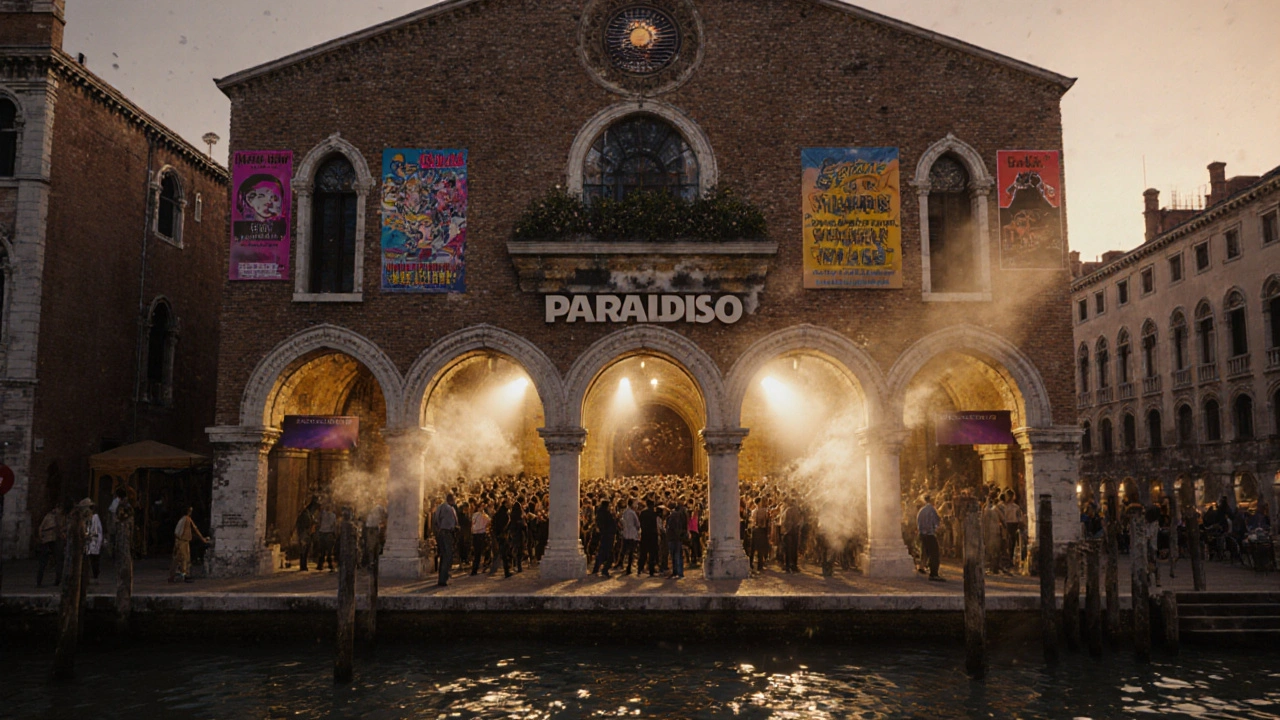
In Amsterdam, live music isn’t just entertainment-it’s a backbone of the city’s identity. From the echo of a violin in a canal-side café to the thump of bass vibrating through the walls of Paradiso, the business of live music here runs deeper than ticket sales and merch tables. It’s about community, culture, and cash flow-all tangled together in a way only Amsterdam can pull off.
How Amsterdam’s Music Venues Keep the Lights On
Amsterdam has over 120 licensed music venues, but only about 15 of them make consistent profits. The rest? They survive on a mix of grants, crowdfunding, and the sheer stubbornness of their owners. Take Paradiso, for example. This converted 19th-century church on the Weteringschans has hosted everyone from David Bowie to local indie acts like De Staat. It’s a landmark, yes-but it also runs like a nonprofit with a rock band. About 40% of its annual budget comes from city cultural subsidies. Without that, it couldn’t afford the sound engineers, the stagehands, or even the toilets that don’t leak during a sold-out show.
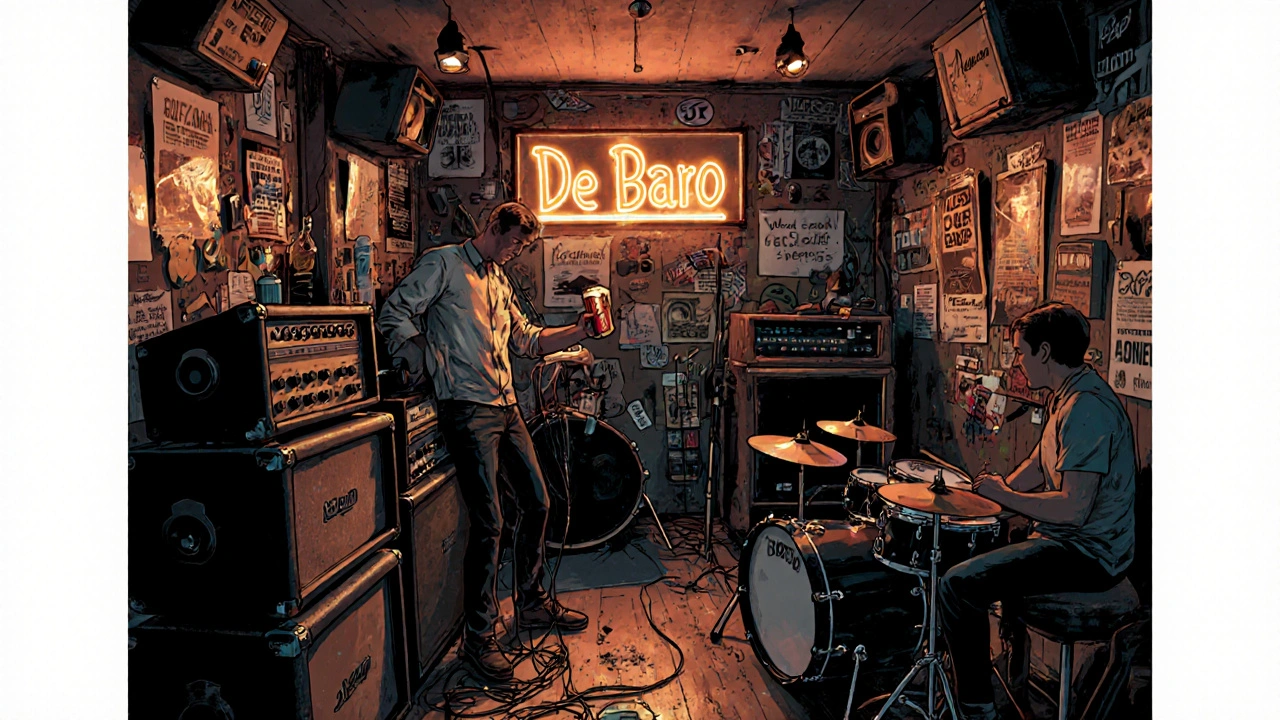
Smaller spaces like De Baro in De Pijp or De School (before its closure in 2024) operated on razor-thin margins. They didn’t rely on big-name tours. Instead, they booked local bands three nights a week, sold cheap beer at €4.50, and turned the back room into a DIY recording studio. That’s how they kept their doors open. The model? Low overhead, high loyalty. Fans didn’t just come for the music-they came because they knew the bartender’s name and had seen the same drummer grow from playing to five people to selling out the venue.
The Hidden Economy: Crews, Merch, and Local Suppliers
Behind every concert in Amsterdam is a small army of people most audiences never see. Sound technicians from AudioLab Amsterdam, lighting riggers from StageCraft NL, and freelance stagehands who show up at 3 p.m. to set up for a 9 p.m. gig and leave by midnight. These aren’t unionized jobs. Most are paid in cash or bank transfer, often the same day. A good sound engineer in Amsterdam can make €60-80 an hour during peak season, but they work maybe 12 weeks a year. The rest? They’re fixing amps at De Kabel or teaching guitar at Music School Amsterdam.
Merch is another silent revenue stream. Bands selling T-shirts printed by De T-Shirtfabriek in Oost have seen 30% higher sales than those using international print-on-demand services. Why? Because locals recognize the quality. The ink doesn’t crack after three washes. The cotton is organic, sourced from Dutch cooperatives. And the design? Often features a canal, a windmill, or a reference to Heineken Experience-something that says, “This is Amsterdam.”
Why the Canal Belt Matters More Than You Think
Amsterdam’s geography shapes its music scene more than most realize. The narrow streets and historic buildings mean you can’t just blast bass through open windows. That’s why outdoor festivals like Paradiso Open Air at the Artis Zoo or De Waag Sound on the Nieuwmarkt are so rare-and so valued. When they happen, they draw 10,000 people. But they require permits from six different city departments, noise limit compliance (no louder than 85 dB at 50 meters after 11 p.m.), and agreements with neighbors who’ve lived on the same canal for 40 years.
That’s why indoor venues thrive. The Melkweg doesn’t just host concerts-it hosts rehearsals, music workshops, and even therapy sessions for musicians dealing with burnout. The city funds these programs because they reduce long-term costs: fewer mental health crises, fewer abandoned instruments, fewer bands breaking up after one bad gig.
Expats, Tourists, and the Real Local Audience
Yes, tourists come for the Red Light District. But they also come for live music. In 2024, over 1.2 million visitors attended at least one live music event in Amsterdam. That’s more than the population of the city itself. But here’s the twist: the biggest spenders aren’t the ones taking selfies at the Anne Frank House. They’re the expats-especially from Germany, Belgium, and the UK-who buy season passes to De Kriterion or book tables at De Marktkantine for Friday night jazz.
Locals? They’re the ones who show up with a reusable cup, know which nights are free, and don’t mind standing in the back. They’re the reason bands keep playing. Without them, the venues wouldn’t survive. Without the tourists, the venues wouldn’t pay the rent.
How the City Pays for the Music (And Who Pays the Price)
Amsterdam’s music scene is subsidized-but not in the way you’d think. The city doesn’t hand out grants to every band with a guitar. Instead, it invests in infrastructure: soundproofing apartment buildings near venues, funding noise monitoring tech, and paying for after-hours security on weekends. In 2023, the city spent €8.7 million on music-related cultural programs. That’s less than 0.1% of its total budget-but it’s the difference between a thriving scene and a silent one.
But there’s a cost. Rent in areas like De Pijp and Jordaan has climbed 37% since 2020. Many small venues have been forced to move or close. De Ceuvel, a former industrial site turned eco-community, lost its music space to a co-living startup. De Bunker in Oud-West shut down after a rent hike from €2,800 to €5,200 a month. These aren’t just losses-they’re cultural erasures.
What’s Next for Amsterdam’s Music Business?
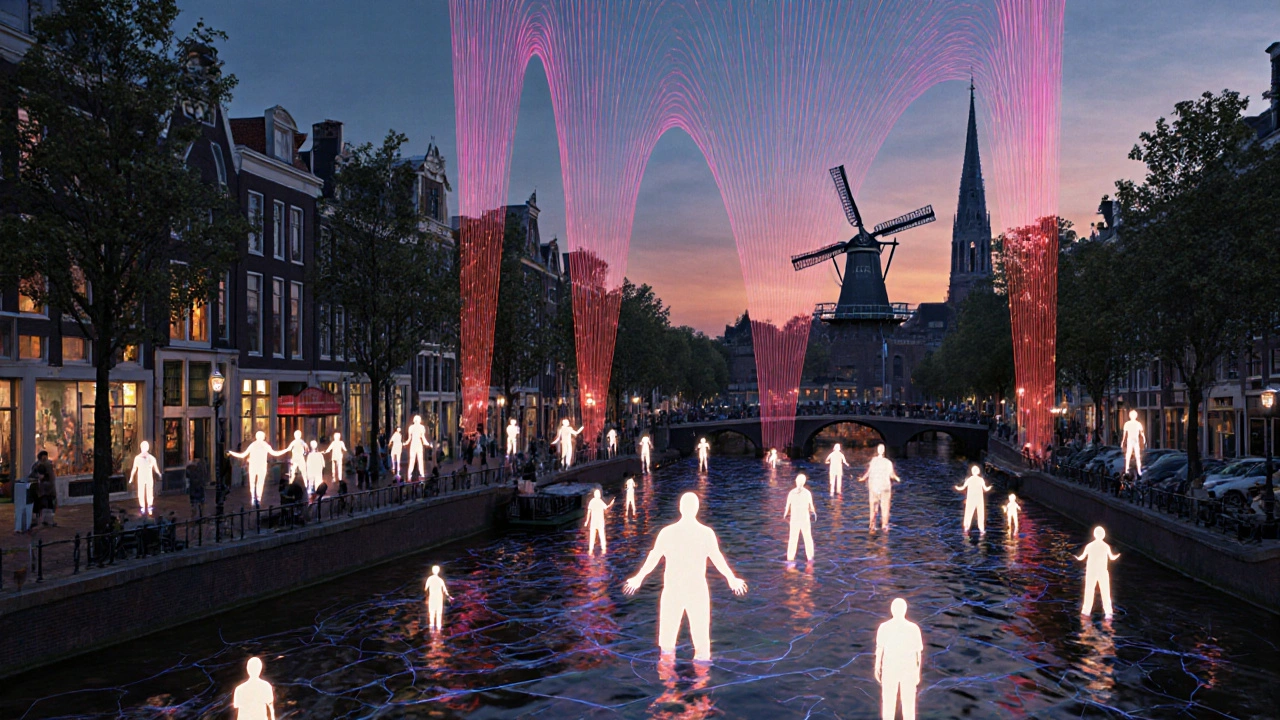
The future isn’t about bigger stages or more festivals. It’s about sustainability. More venues are turning to membership models-like De Volksmuziek, where you pay €15 a month for unlimited entry to 12 local venues. Others are partnering with Amsterdamse Bos to host summer acoustic gigs in the forest, cutting overhead and reaching new audiences.
Local artists are also banding together. The Amsterdam Music Collective, formed in 2023, now represents over 300 musicians. They negotiate group rates for rehearsal spaces, share equipment, and lobby the city for tax breaks on music gear purchases. It’s working. In 2025, the city approved a 15% VAT reduction on musical instruments bought by independent artists.
And then there’s the new wave: AI-assisted booking platforms like SoundMap NL, which matches bands with venues based on audience demographics and noise tolerance. It’s not replacing human curators-it’s helping them do their jobs better. A bar owner in the Nine Streets can now see, in real time, that a folk duo from Utrecht has a 78% match with their Friday crowd. That’s data. That’s business.
Why This Matters Beyond the Stage
Live music in Amsterdam isn’t just about sound. It’s about belonging. It’s the Polish student who found her voice singing in a pub on the Singel. The retired Dutch teacher who still shows up every Tuesday for blues night at De Kerk. The Nigerian drummer who got his first gig because someone left a flyer on the counter at Bar Zuid.
When you lose a venue, you don’t just lose a place to hear music. You lose a place where people feel seen. Where a kid from Suriname can play a djembe next to a jazz trumpeter from Friesland and no one thinks it’s strange. That’s the real value. And no algorithm, no tourist tax, no rent hike can measure that.
How can I support live music in Amsterdam as a local?
Buy tickets directly from the venue’s website, not from resale platforms. Attend shows on weekdays when crowds are smaller. Buy merch from local printers like De T-Shirtfabriek. Join a music collective or become a member at venues like Melkweg or Paradiso. Even telling a friend about a great gig helps-word of mouth still moves more tickets than Instagram ads.
Why are so many music venues closing in Amsterdam?
Rising rents, stricter noise regulations, and reduced city subsidies are the main reasons. Many venues operate in historic buildings that are expensive to maintain. Tourist-driven gentrification has pushed up property values, making it hard for small businesses to compete. Venues that rely on local loyalty, not tourist foot traffic, are the most vulnerable.
Are there free live music options in Amsterdam?
Yes. Every Thursday, De Marktkantine hosts free acoustic sets from 7-9 p.m. Amsterdamse Bos offers free summer concerts on weekends. Many libraries, like the OBA Oost, hold monthly jazz nights. Check the Amsterdam Live Music Calendar on the city’s cultural website-it’s updated daily and lists all free events.
Can I book a band for a private event in Amsterdam?
Absolutely. Platforms like SoundMap NL and Amsterdam Music Collective let you search by genre, budget, and location. For smaller gigs, try hiring a solo artist from the Amsterdam Street Music Registry. Many musicians offer 1-2 hour sets for €150-300, perfect for rooftop parties or canal-side dinners. Just make sure the venue has the right permit for amplified music.
What’s the best time of year to experience live music in Amsterdam?
Late spring through early fall (May-September) is peak season. That’s when outdoor festivals like Paradiso Open Air and Amsterdam Jazz Festival happen. But winter has its own magic-December brings intimate acoustic sets in churches like De Oude Kerk, and January is when local bands play their best new material before touring season starts. Don’t skip winter-it’s when the real music lovers show up.