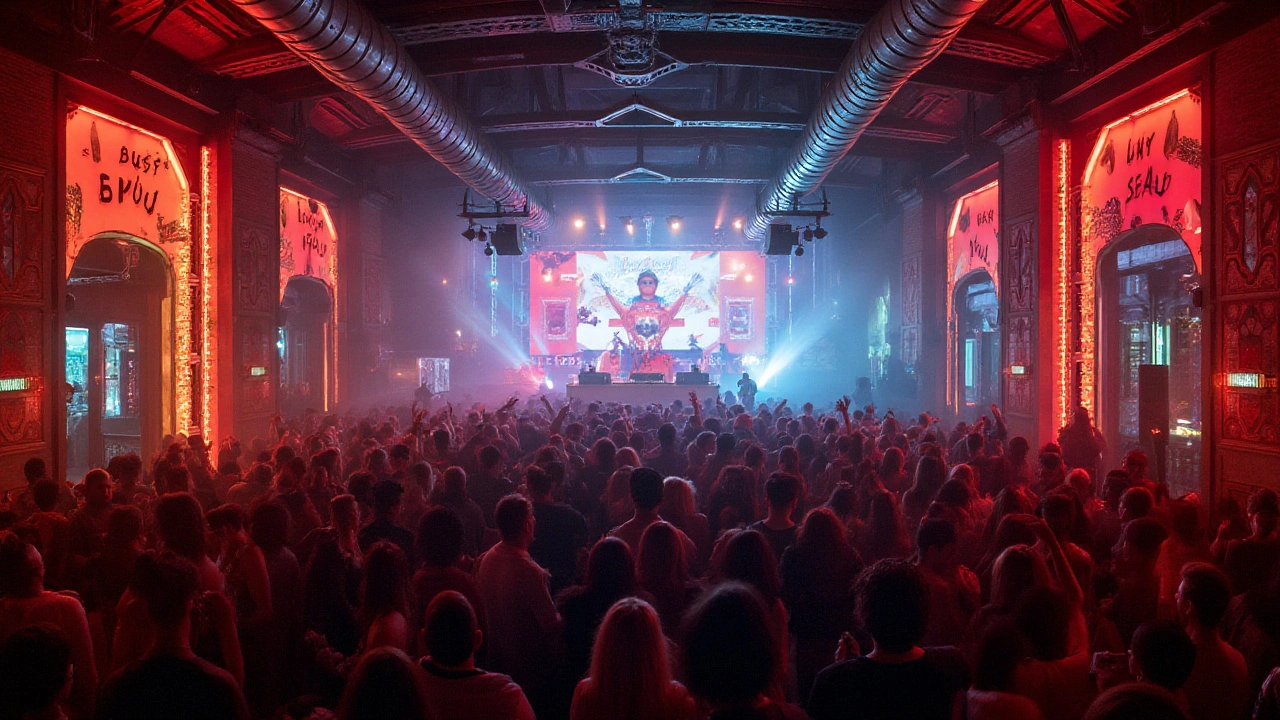
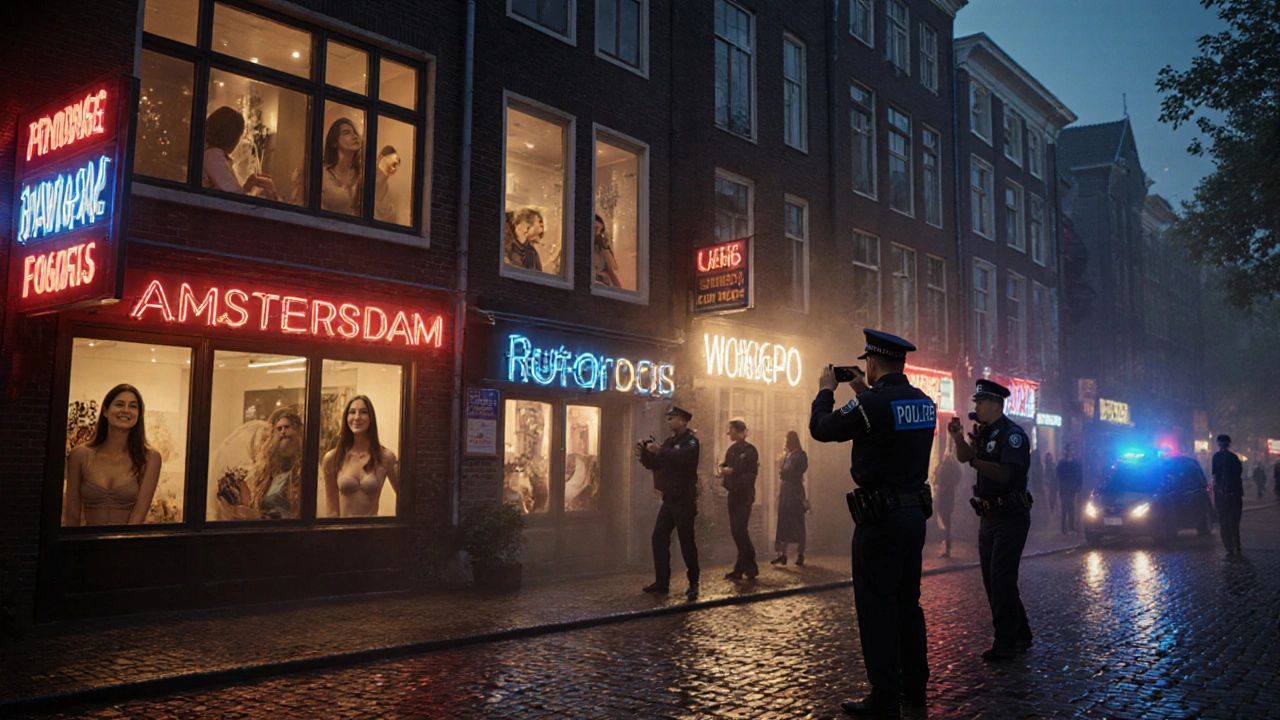
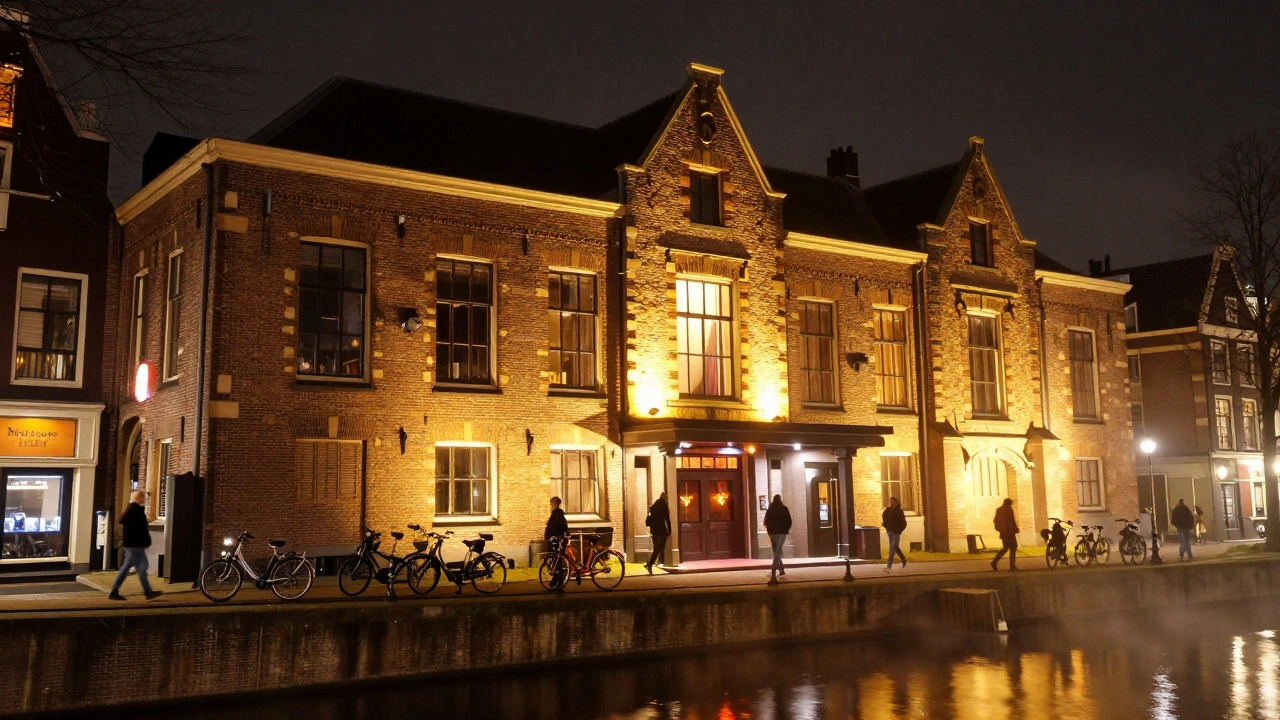
When you think of Amsterdam’s music scene, you picture Paradiso, Melkweg, a historic milk factory turned cultural powerhouse that hosts everything from techno sets to poetry nights, or De School, a warehouse-turned-club that shaped global techno with its raw sound and no-frills vibe. But none of it happens without the Amsterdam concert crew, the unsung team of sound engineers, stagehands, promoters, and venue staff who turn empty spaces into unforgettable nights. These aren’t just workers—they’re the heartbeat behind every bass drop, every spotlight, every late-night set that lasts until sunrise.
The Amsterdam concert crew doesn’t just show up to plug in cables. They negotiate noise permits with the city, haul gear through canals at 3 a.m., calm drunk fans before a headliner walks on, and stay late to clean up after crowds leave. Many of them work across multiple venues—moving from Melkweg’s main stage one night to Westerunie’s quiet basement the next. Some are ex-musicians who switched to tech because they loved the music too much to leave it. Others are students who started stacking speakers for pocket cash and never left. The crew doesn’t get headlines, but without them, the city’s music dies. And it’s not just about clubs. From rooftop gigs with jenever cocktails to underground warehouse raves in the east, the same crew builds stages, tests mics, and counts tickets—all while keeping the city’s spirit alive.
What makes Amsterdam’s scene different isn’t just the music—it’s how the crew runs it. Unlike cities where venues are owned by big corporations, here, many clubs are run by collectives. The crew often owns the lights, the sound, even the door policy. They know who to call when a DJ’s flight is delayed. They know which bar serves the best coffee at 5 a.m. after a show. They remember your face from last month’s set and ask how your band’s new track is doing. This isn’t corporate service. It’s community. And that’s why people keep coming back—not just for the music, but for the people who make it possible.
Below, you’ll find real stories from inside this world—the techs who learned to fix broken mixers on the floor, the promoters who booked underground acts before they went viral, the bartenders who doubled as stage managers. You’ll see how tourism changed the rhythm of the nights, how social media reshaped who gets booked, and why some venues still refuse to charge cover. This isn’t a list of top clubs. It’s a look at the people who keep them running—and why Amsterdam’s music still feels alive, even when the rest of the world feels scripted.
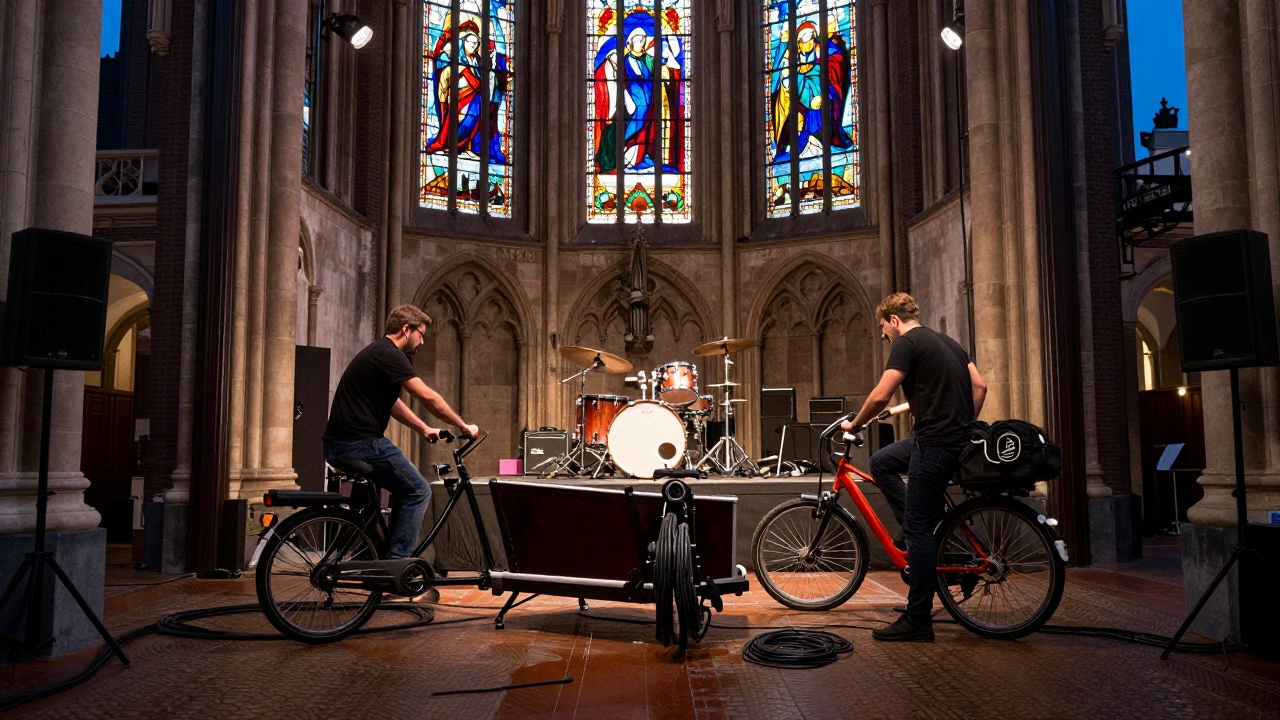
Discover the real work behind live music shows in Amsterdam-from noise laws and cargo bikes to local crews and hidden venue rules that keep the city’s nightlife alive.
View More