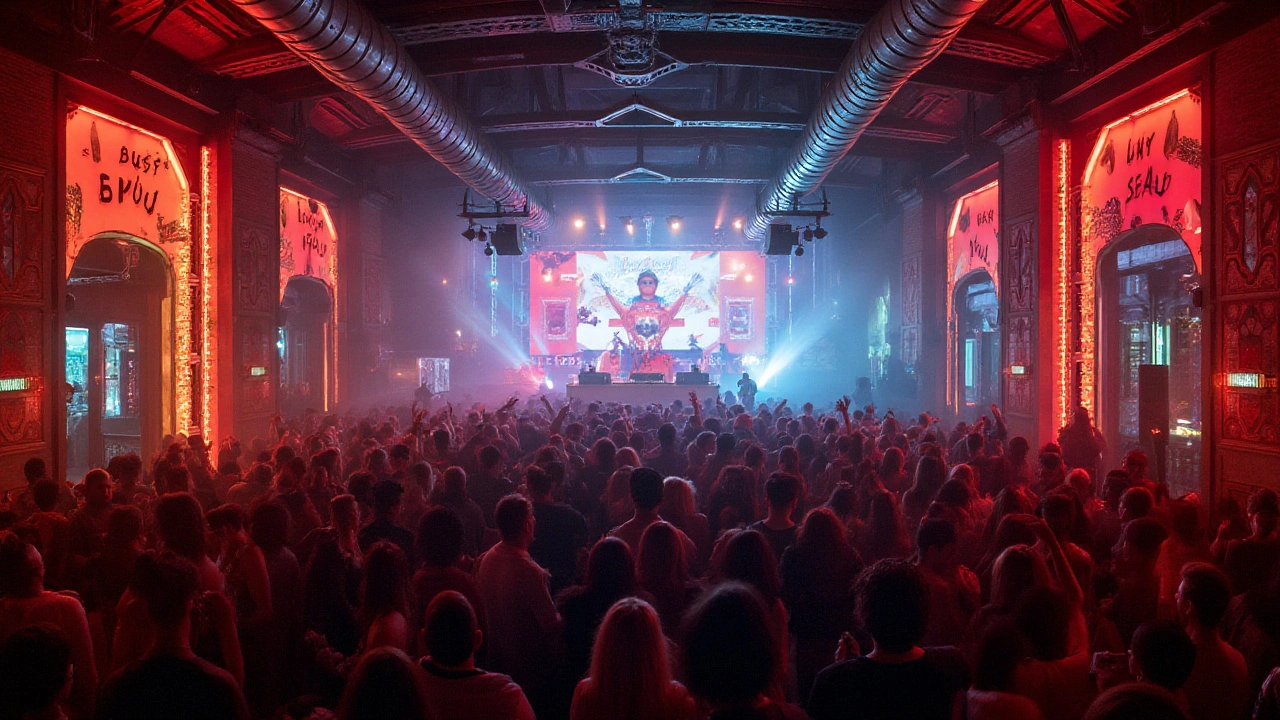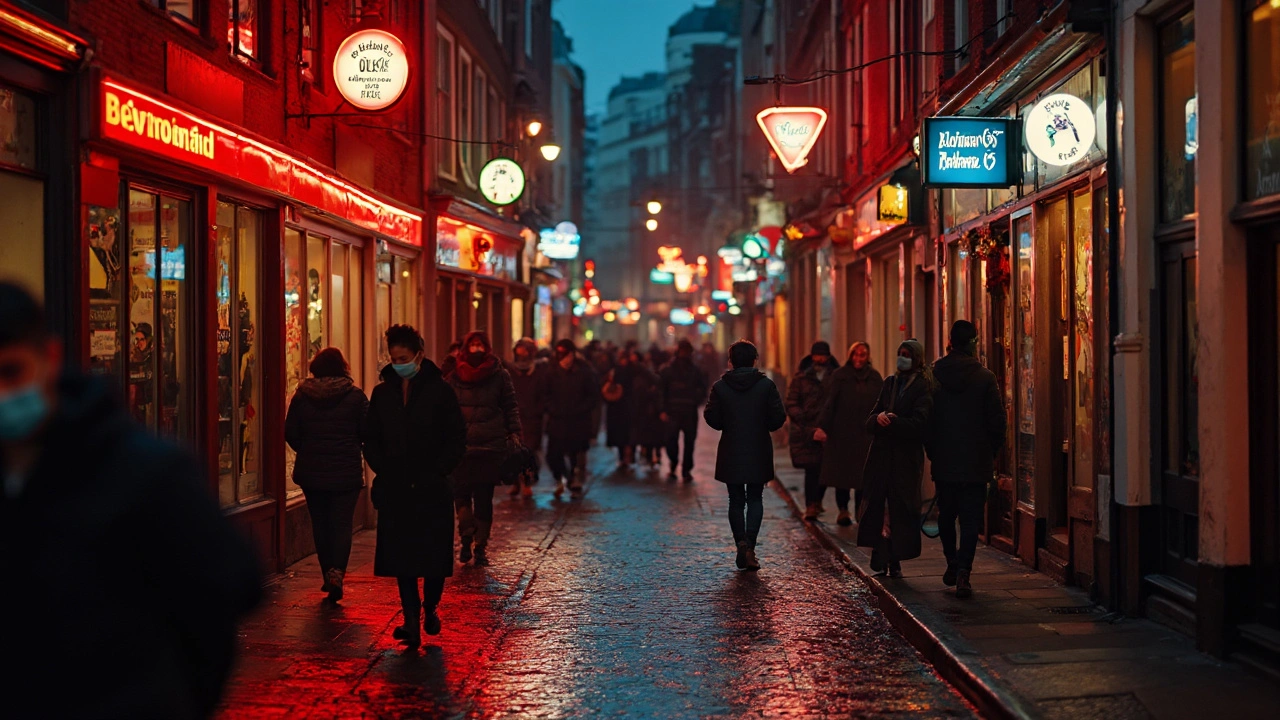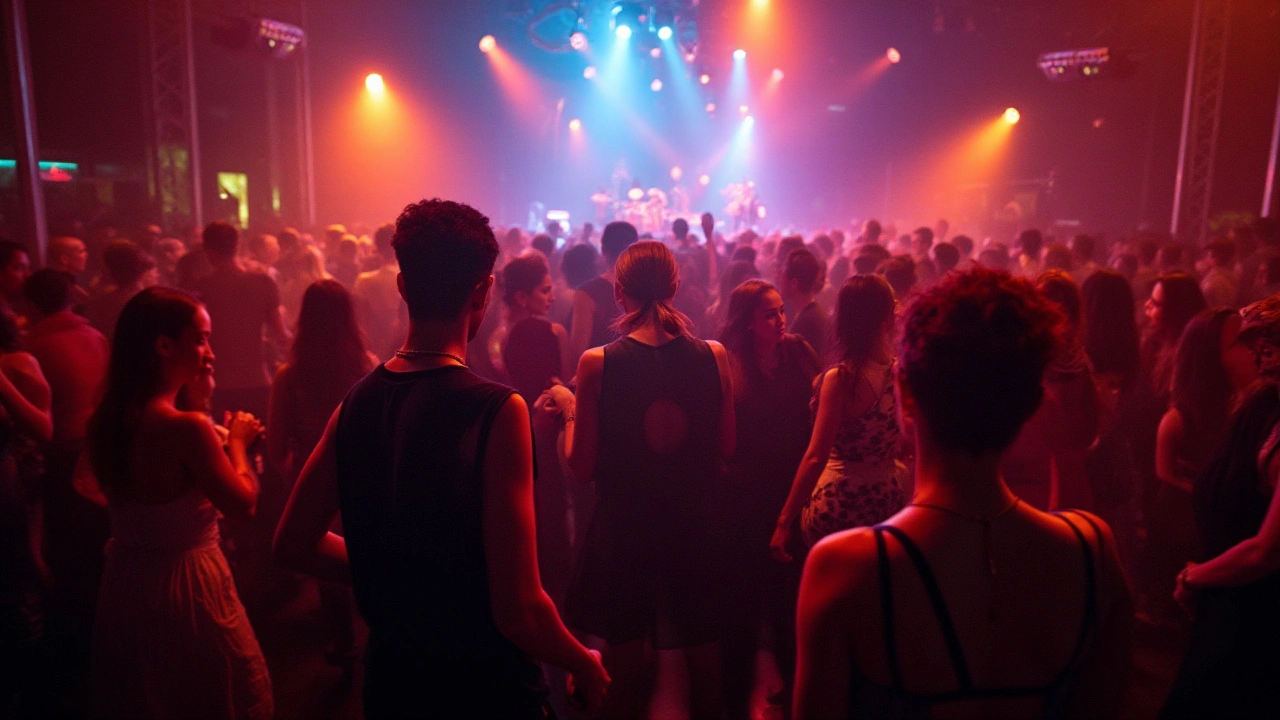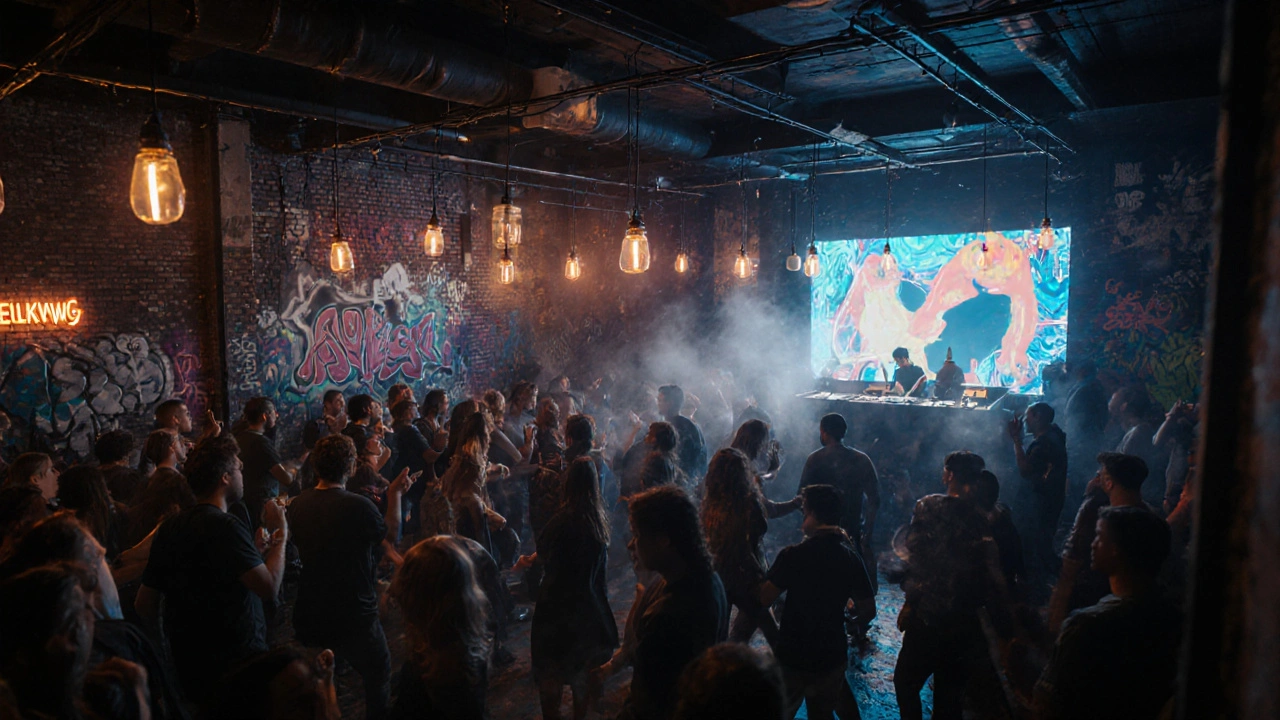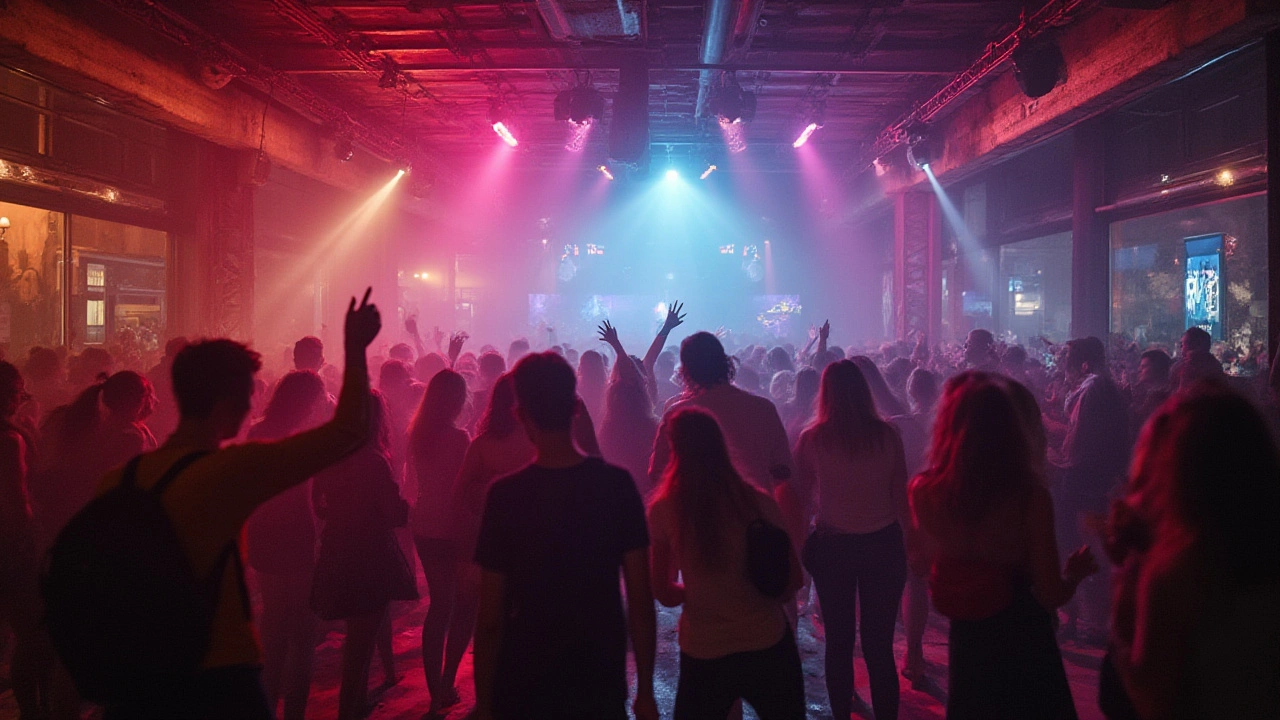
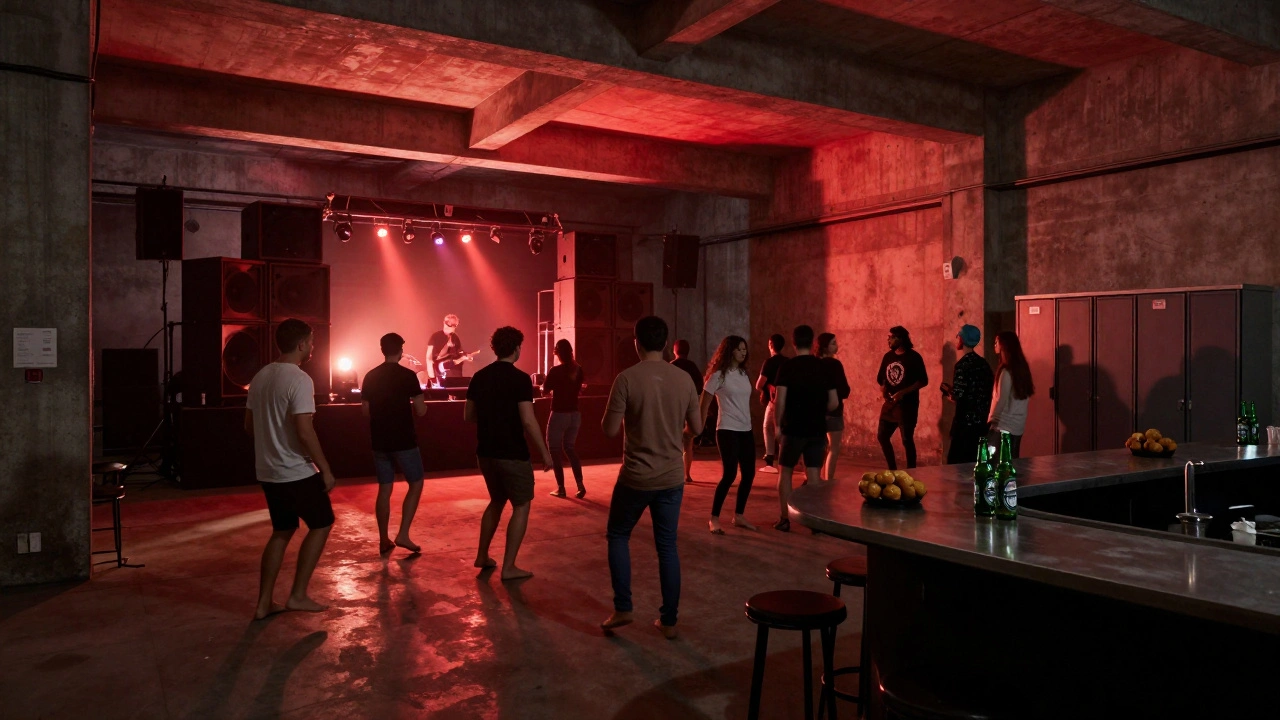
In Amsterdam, the night doesn’t just begin after sunset-it hums to life in basement basements, converted warehouses, and hidden courtyards where the bassline is louder than the bicycle bells. This isn’t just a city with clubs; it’s a place where music, history, and freedom collide after dark. Whether you’re a local who’s seen it all or an expat trying to find your rhythm, Amsterdam’s club scene isn’t about flashy logos or VIP sections-it’s about the sound, the space, and the soul of the city after midnight.
De School: Where the Underground Lives
De School isn’t just a club-it’s a cultural institution. Housed in a former vocational school in Oost, this place doesn’t feel like a night out. It feels like stepping into a Berlin warehouse crossed with a Dutch design manifesto. The sound system? A custom-built Funktion-One rig that makes every kick drum feel like it’s vibrating in your ribcage. The crowd? Mix of local artists, techno purists from Utrecht, and expats who’ve swapped their day jobs for all-night sets. Don’t expect bottle service. Do expect a 3 a.m. set by Helena Hauff or a surprise live set from a local producer you’ve never heard of. The bar serves bitterballen and cheap Heineken, and the toilets? Bare concrete, no frills. That’s the point. De School doesn’t cater to tourists. It caters to those who know that real nightlife isn’t photographed-it’s felt.
Ton Ton: The Cozy Rebel
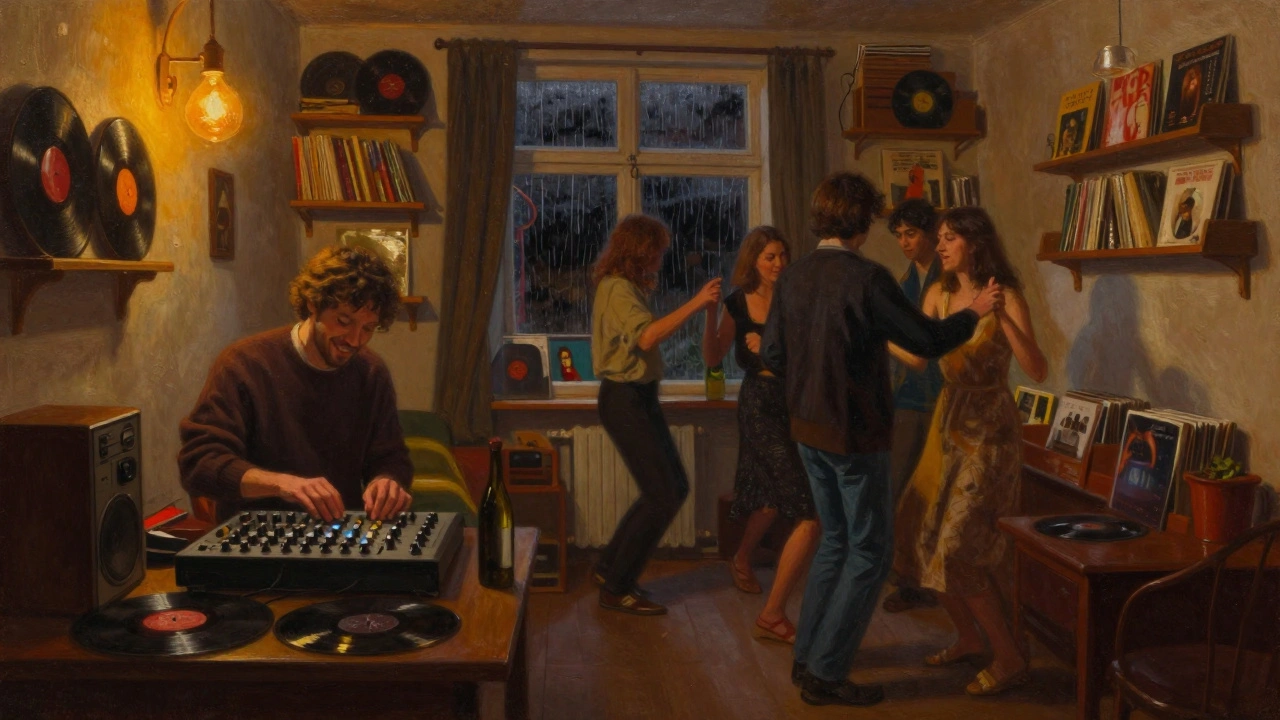
If you’ve ever wondered what Amsterdam’s underground feels like when it’s not screaming, Ton Ton is your answer. Tucked behind a nondescript door on the edge of the Jordaan, this place looks like your friend’s living room-if your friend had a 12-channel mixer and a collection of obscure 80s synth records. The sound leans into post-punk, disco, and experimental electronic. No neon lights. No dress code. Just dim bulbs, vinyl crackles, and a crowd that’s more interested in dancing than being seen. The owner, a former DJ from Haarlem, still runs the decks on Friday nights. He’ll hand you a glass of local red wine from the wine shop next door and ask if you’ve heard the new album from De Staat. It’s intimate. It’s unpolished. And it’s the kind of place you’ll remember when you’re back home in London or New York, scrolling through Instagram trying to find something real.
Paradiso: The Icon That Still Matters
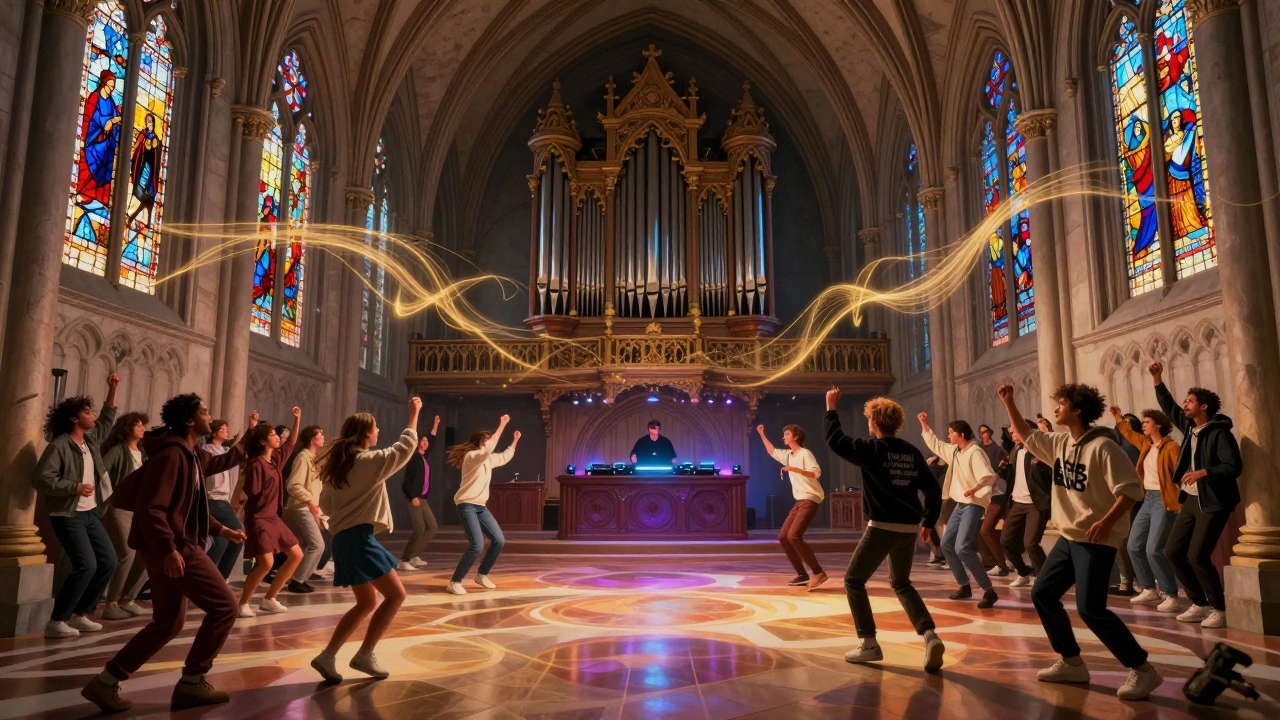
You can’t talk about Amsterdam clubs without mentioning Paradiso. It’s not a basement. It’s not a warehouse. It’s a 19th-century church turned music temple. The stained glass still glows above the dance floor, and the pipe organ still echoes through the rafters-even when the DJ is dropping a hard techno track. Paradiso isn’t just for big-name acts anymore. Every Thursday, they host Amsterdam clubs locals call ‘The New Wave’-a night dedicated to emerging Dutch producers and experimental sound artists. The bar serves Amstel Light in recycled glass, and the staff still remember your name if you’ve been twice. It’s the only place in the city where you can dance under a vaulted ceiling while a choir sings a cover of a Nine Inch Nails song. If you only go to one club in Amsterdam, make it this one. Not because it’s the biggest. But because it’s the most alive.
De Balie: The Club That Thinks
Most clubs don’t host debates. De Balie does. Located near the Leidseplein, this isn’t your typical dance spot. But every Friday night, after 11 p.m., the lights dim, the tables are pushed back, and the speakers switch from TED Talks to hard-hitting house. It’s a hybrid space: part cultural center, part underground party. The crowd? Students from the UvA, journalists from De Volkskrant, and old-school Dutch hip-hop heads who still remember the first time they heard Extince. The music changes weekly-sometimes it’s gabber, sometimes it’s ambient jazz. The drinks? Cheap, local beer from De Prael or a glass of Dutch gin with a twist of lemon verbena. It’s the only place in Amsterdam where you can argue about climate policy at 1 a.m. and then dance to a track made entirely from field recordings of the Amstel River.
De Marktkantine: Food, Music, and Community
Forget fancy cocktails. At De Marktkantine, the drink is a stroopwafel dipped in warm chocolate, and the dance floor is made of reclaimed wood from old Amsterdam trams. This isn’t a club. It’s a neighborhood gathering spot that turned into a weekly party. Every Saturday, the old market hall in the Noord district becomes a melting pot of cultures: Surinamese DJs spinning dancehall, Moroccan producers layering oud over techno, and Dutch hip-hop MCs freestyling in Dutch, Arabic, and Papiamento. The food stalls serve kroketten, bami, and patatje oorlog until 3 a.m. There’s no cover charge. No VIP line. Just a community that shows up because they believe music should be shared, not sold. If you want to understand what Amsterdam’s future sounds like, this is where you’ll hear it.
De Barak: The Last of the Real
De Barak sits on the edge of the Amstel, in a part of Amsterdam most tourists never see. It’s a squat-turned-club, painted in faded murals of 1980s punks and protest signs. The sound? Raw, distorted, and loud. The crowd? Mostly locals who’ve been coming since the 90s. No bouncers. No ID checks. Just a guy at the door who asks, “You here for the music?” If you nod, you’re in. The playlist changes daily: one night it’s industrial noise, the next it’s old-school Dutch reggae. The bar sells jenever from a family distillery in Delft and cans of Grolsch that cost less than €2.50. There’s no Wi-Fi. No Instagrammable wall. Just sweat, bass, and the kind of connection you can’t find in a chain bar. De Barak doesn’t advertise. It doesn’t need to. It survives because the people who come here refuse to let it die.
What to Know Before You Go
Amsterdam’s clubs don’t operate like those in London or Ibiza. There’s no 11 p.m. last call. Most places don’t close until 4 or 5 a.m. And if you’re planning to go out, bring cash. Many places still don’t take cards, especially the smaller ones. Dress casually-no suits, no designer logos. Locals wear jeans, hoodies, and boots. The weather? Always unpredictable. Even in summer, it rains. Always carry a light jacket. And don’t expect to find a taxi at 4 a.m. The trams stop running at 1 a.m., so plan your route. Take the night bus N97 or hop on a fiets-it’s the Amsterdam way.
Where to Find the Next Big Thing
If you want to stay ahead of the curve, check out De Muziekmarkt every Tuesday. It’s a free event in a warehouse near the IJ river where local DJs test new tracks and crowd feedback decides what gets played next. Follow @amsterdamunderground on Instagram-not for the photos, but for the real-time updates on pop-up sets, secret locations, and surprise guests. And if you’re feeling bold, drop by the Amsterdam Dance Event in October. It’s not just a festival-it’s where the city’s next club legends are born.
Final Thought
Amsterdam’s clubs aren’t about being seen. They’re about being present. They’re about the way the bass shakes the floorboards in De School, the way the vinyl crackles at Ton Ton, the way the church bells still ring over the techno at Paradiso. These places don’t exist to entertain you. They exist because the people who run them believe music matters more than money. And if you’re willing to listen-not just with your ears, but with your whole body-you’ll find something here that no tourist guide will ever tell you.
What’s the best time to go out in Amsterdam?
Most Amsterdam clubs don’t get busy until after midnight. Friday and Saturday nights are peak, but the real magic happens between 2 a.m. and 4 a.m., when the crowds thin out and the DJs take more risks. If you want to avoid lines, show up after 1 a.m. Many locals wait until 2 a.m. to start their night.
Do I need to dress up for Amsterdam clubs?
No. Amsterdam’s club scene is famously casual. Jeans, a hoodie, and sturdy shoes are the uniform. Suits, heels, and designer logos won’t get you in faster-they’ll make you stand out for the wrong reasons. Locals dress to move, not to impress.
Are Amsterdam clubs safe?
Yes, but like any city, stay aware. Most clubs have security, but they’re not there to police your behavior-they’re there to keep things running. Avoid flashing cash or expensive gear. Stick to well-known venues. If a place feels off, leave. The city’s nightlife has a strong community vibe, and most people look out for each other.
Can I pay with card in Amsterdam clubs?
Some can, many can’t. Smaller venues like De Barak and Ton Ton are cash-only. Larger ones like Paradiso and De School accept cards, but lines at the bar can be long. Always carry €20-€50 in cash. ATMs are rare inside clubs, and most close before midnight.
What’s the most underrated club in Amsterdam?
De Marktkantine. It’s not in the guidebooks, but it’s where the real energy is. You’ll find local artists, immigrant communities, and first-time clubbers all dancing together. The music changes every week, and the food is better than most restaurants. It’s free to enter, and the vibe is pure Amsterdam.