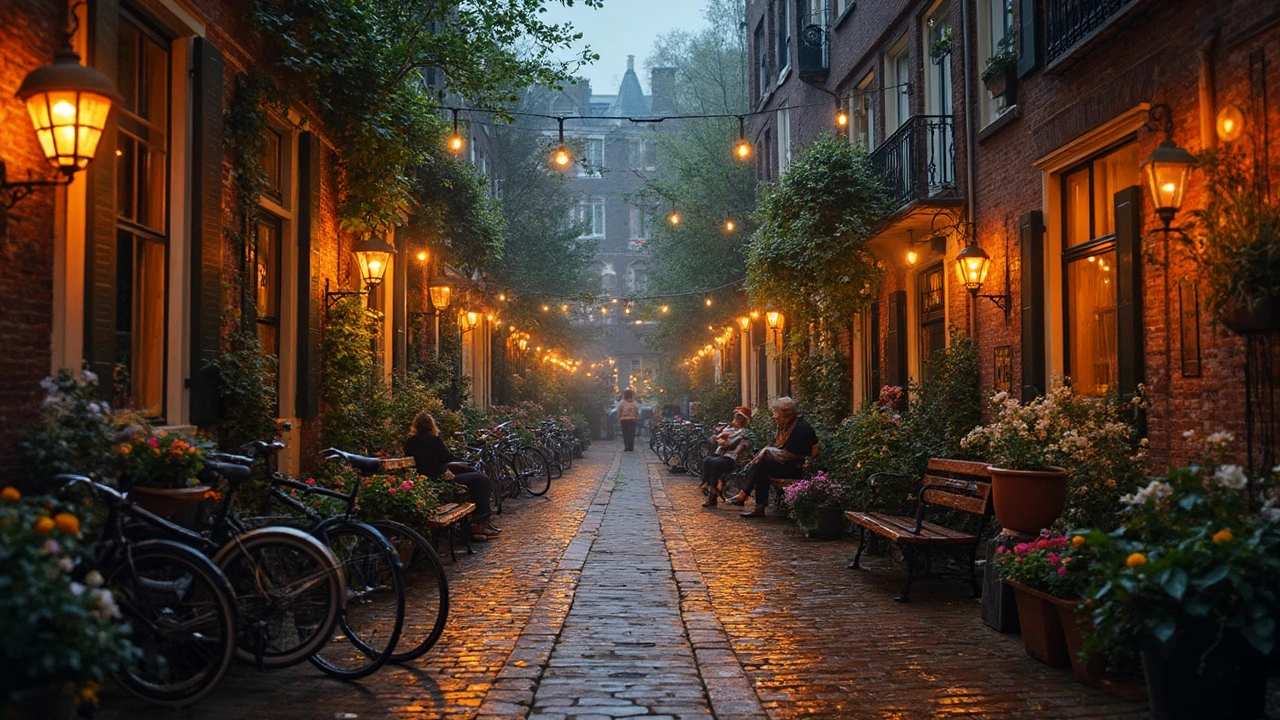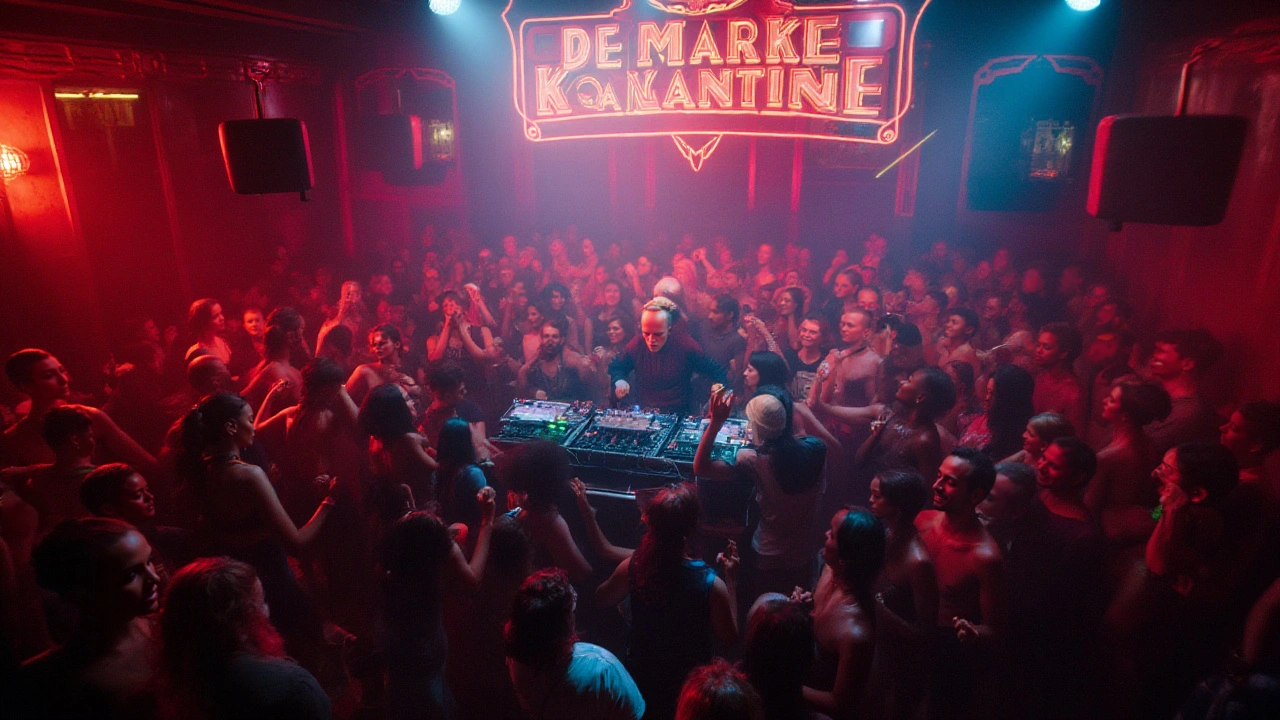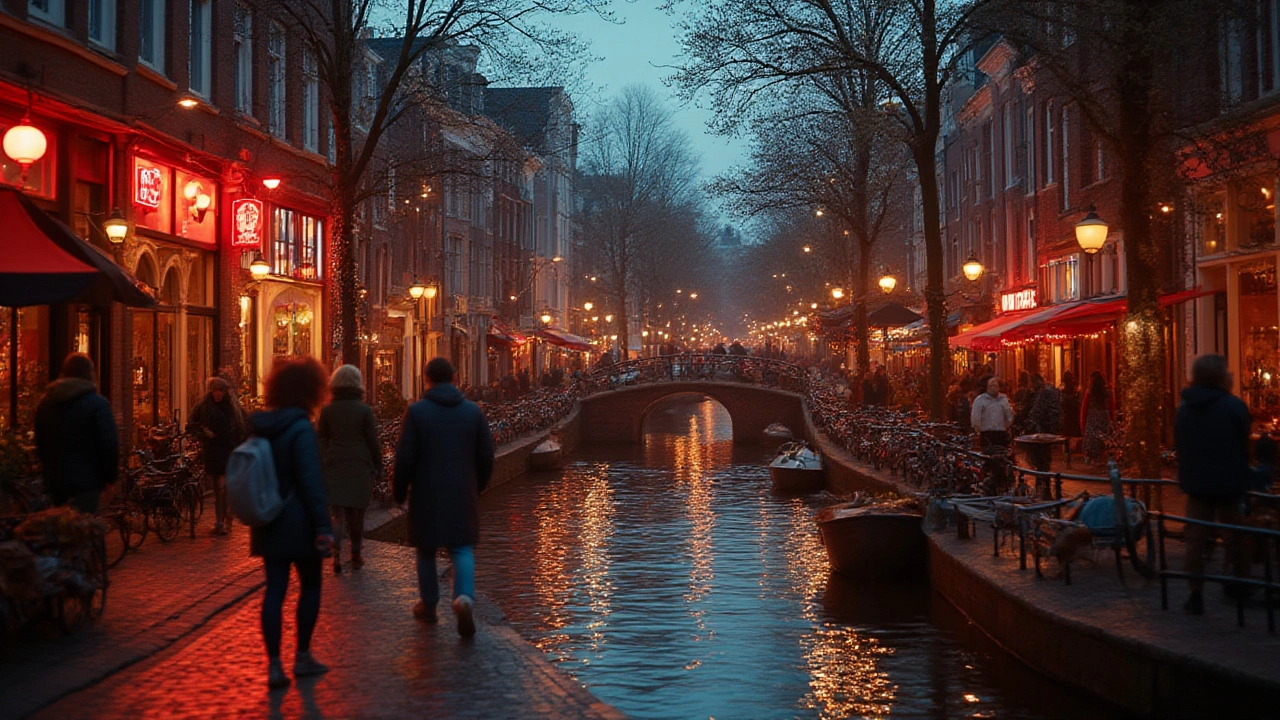
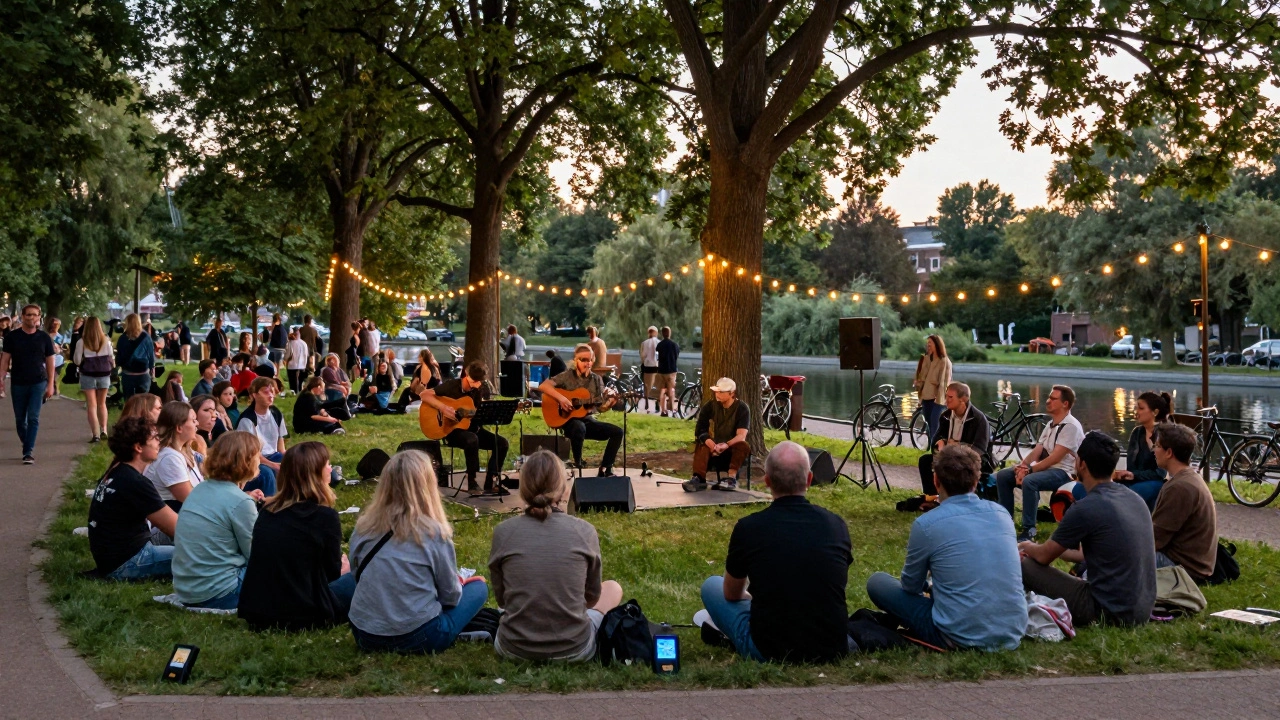
Hosting a live music event in Amsterdam isn’t just about setting up speakers and inviting a band-it’s about respecting the city’s rhythm. Amsterdam’s canals don’t just reflect light at night; they echo with the hum of street performers near the Magere Brug, the bass from hidden venues in De Pijp, and the jazz drifting from window to window in Jordaan. If you want to bring live music to your neighborhood, you’re not just throwing a party. You’re joining a centuries-old tradition of public sound, shared spaces, and community connection.
Know Where You Can Play
Not every park, square, or backyard in Amsterdam is legal for live music. The city has strict rules about noise, location, and timing. Start by checking the Amsterdam City website for designated cultural zones. Places like Waterlooplein, Oosterpark, and Vondelpark have official permit pathways for open-air events. Vondelpark, for example, allows small concerts on weekends from May to September-but only if you apply through the Vondelpark Festival program. Don’t assume your local garden is fair game. A noise complaint from a neighbor in the Jordaan can shut you down faster than a late-night tram.
Outdoor events must end by 11 PM on weekdays and midnight on weekends. That’s non-negotiable. Even if your band wants to play until 1 AM, the city’s geluidhinderregeling (noise regulation) says no. Violate this, and you risk fines up to €4,500. Some neighborhoods, like Amsterdam-Zuidoost and Sloten, have stricter limits. Always confirm with your local borough office (wijkbureau).
Permits, Insurance, and Paperwork
Amsterdam doesn’t just hand out permits like free stroopwafels. You need three things: a vergunning voor openbare bijeenkomst (public gathering permit), public liability insurance, and a noise assessment if you’re using amplification. The permit application takes 4-6 weeks. Don’t wait until the last minute. Submit it through the Amsterdam City portal under "Events and Festivals." You’ll need a detailed plan: stage layout, speaker placement, expected crowd size, waste management, and emergency exits.
Insurance is mandatory. Companies like ASR or Allianz offer event-specific policies in the Netherlands. Expect to pay between €150 and €400 depending on attendance. If you’re working with a local band, make sure they’re registered with the Stichting Nederlandse Muziek (Dutch Music Foundation). It’s not just bureaucracy-it’s protection. A fallen speaker or a slipped cable can lead to serious liability.
Sound, Space, and Neighbors
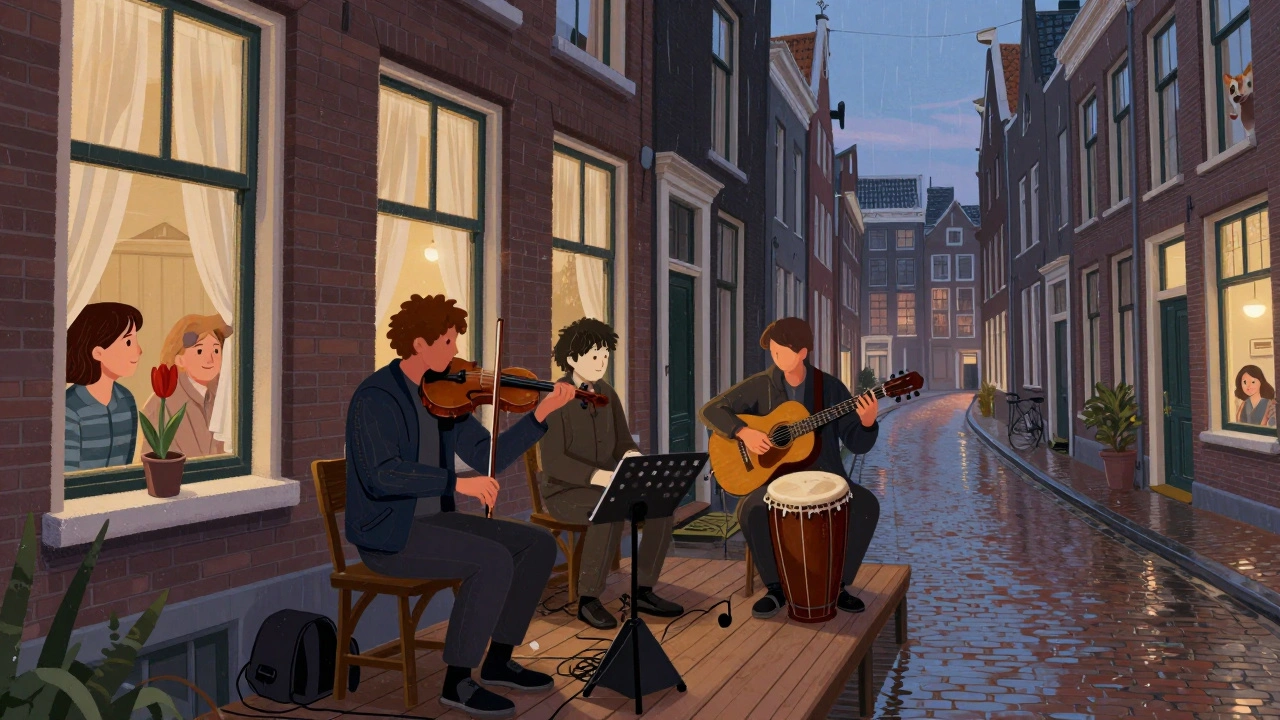
Amsterdam’s streets are narrow. Buildings are old. Sound travels differently here than in open cities. A band playing on a terrace in De Pijp can be heard three blocks away. That’s why the city requires a geluidsmeting-a sound measurement-before your event. Hire a certified acoustic consultant (like Acoustic Solutions NL) to map decibel levels at property boundaries. You’re not trying to silence the music; you’re making sure it doesn’t wake up a toddler in a canal house.
Use directional speakers. Point them away from residential windows. Avoid bass-heavy setups. A steel drum band or acoustic folk trio works better than a full electric rock setup in a tight courtyard. Many successful events in Amsterdam use PortaSound or Behringer systems with built-in limiters. They’re affordable, reliable, and city-approved.
Work With Local Artists
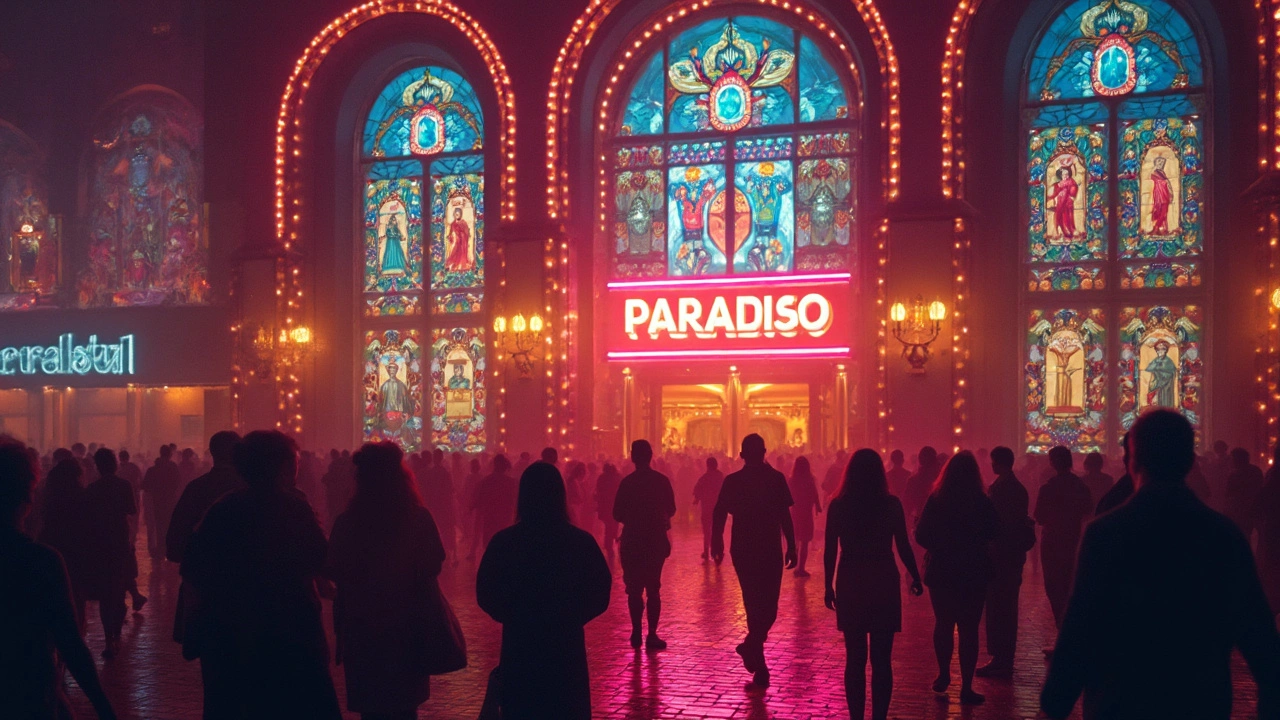
Don’t book a band from Rotterdam unless you have to. Amsterdam has a thriving local music scene. Look at venues like Paradiso, De School, and The Loft-they often list unsigned artists on their bulletin boards. Reach out to collectives like Amsterdam Music Collective or De Bieb in the Nieuwmarkt area. They connect organizers with musicians who are eager to play for free or split door revenue. Many local acts are happy to perform for exposure, especially if you promote them through Instagram and local Facebook groups like Amsterdam Events & Culture.
Consider featuring artists who reflect Amsterdam’s diversity. A Moroccan oud player, a Surinamese kaseko band, or a Dutch indie folk duo can make your event feel uniquely local. The city celebrates multiculturalism through music. Your event can be part of that.
Logistics You Can’t Ignore
Amsterdam’s infrastructure is beautiful but tricky. Cobblestones. Canals. Limited parking. You’ll need to plan for:
- Power: Use a generator certified for outdoor use (like a Honda EU22i) if you can’t tap into a building’s grid. Never run extension cords across walkways.
- Waste: Provide at least one recycling bin per 50 people. Amsterdam has strict waste laws. Failure to separate plastic, paper, and organic waste can lead to fines.
- Accessibility: Make sure your site is wheelchair accessible. The city requires ramps, clear paths, and accessible toilets. Many public spaces already have these, but private gardens often don’t.
- Security: For events over 100 people, hire at least one licensed security guard from a Dutch company like Securitas or ProForce. They know local laws and how to handle Dutch crowds-calm, direct, and polite.
Promote Like a Local
Forget Facebook ads. The best way to reach Amsterdamers is through hyperlocal channels. Post on:
- Amsterdam Forum (the city’s most active community board)
- Nextdoor (used heavily in neighborhoods like Oud-West and Bos en Lommer)
- Instagram hashtags like #AmsterdamLiveMusic, #AmsterdamConcert, #VondelparkSounds
- Local cafes like De Koffiebrug or De Koffiekamer-they’ll often put up flyers for free if you buy them coffee
Partner with a local brewery. Many Amsterdamers show up for good beer as much as good music. A collaboration with De Prael, De Molen, or Oedipus can bring in crowds and cover costs. Offer a limited-edition event beer. It creates buzz and loyalty.
What Happens After?
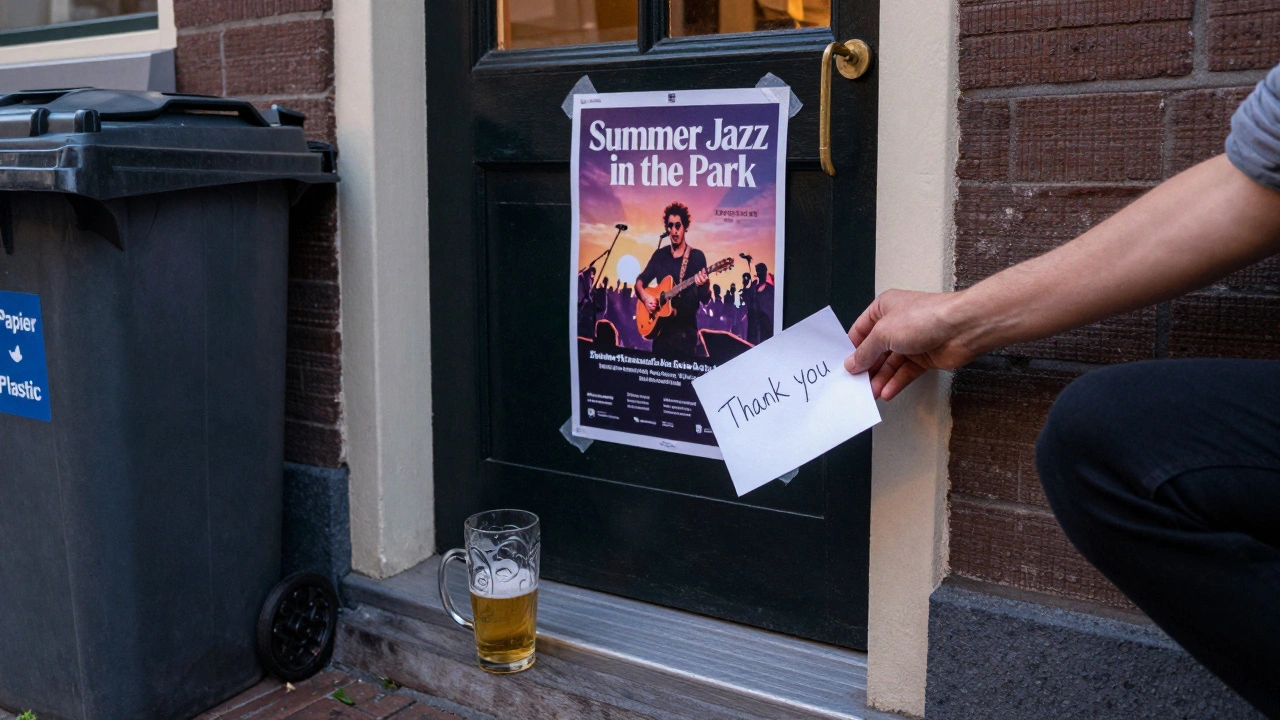
Don’t vanish after the last note. Send a thank-you note to your neighbors. Apologize if there was noise. Offer to donate leftover funds to a local music school like Amsterdamse Muziekschool. People remember kindness. And if you did it right, they’ll invite you back next year.
Many successful events in Amsterdam become annual traditions. The Summer Jazz in the Park series started as a single backyard gig in 2019. Now it draws 800 people. It didn’t need a big budget. It needed consistency, respect, and a deep love for the city’s sound.
Do I need a permit to host a live music event in my backyard in Amsterdam?
Yes, if you expect more than 50 people or use amplification. Even small backyard gigs require a public gathering permit from the city. The rules are strict, but the process is straightforward if you apply early through the Amsterdam City portal. Always check with your local borough office-some areas like the Jordaan or De Pijp have extra noise restrictions.
What time can live music end in Amsterdam?
On weekdays, live music must end by 11 PM. On weekends, it can go until midnight. These are legal limits enforced by the city’s noise regulations. Exceeding them-even by 10 minutes-can result in fines up to €4,500. Always plan your setlist with these cutoffs in mind.
Can I use a PA system in Vondelpark?
Yes, but only if you’re part of the official Vondelpark Festival program. The city allows amplified music in Vondelpark during summer weekends, but you must apply months in advance and pass a sound assessment. Independent use of PA systems without a permit is not allowed and will be shut down.
How do I find local musicians to perform?
Connect with local collectives like Amsterdam Music Collective, De Bieb, or the musicians’ boards at Paradiso and De School. Many local artists are eager to play community events for exposure. You can also search Instagram using hashtags like #AmsterdamMusician or #AmsterdamLive. Don’t overlook university music students-they often perform for free and bring fresh energy.
What if my neighbors complain about the noise?
In Amsterdam, neighbor complaints are taken seriously. If you get a complaint, respond quickly and respectfully. Offer to adjust your sound setup, lower volume, or shorten the event. Many successful organizers send a handwritten note before and after the event. Building goodwill prevents future issues and helps you get permits in the future.