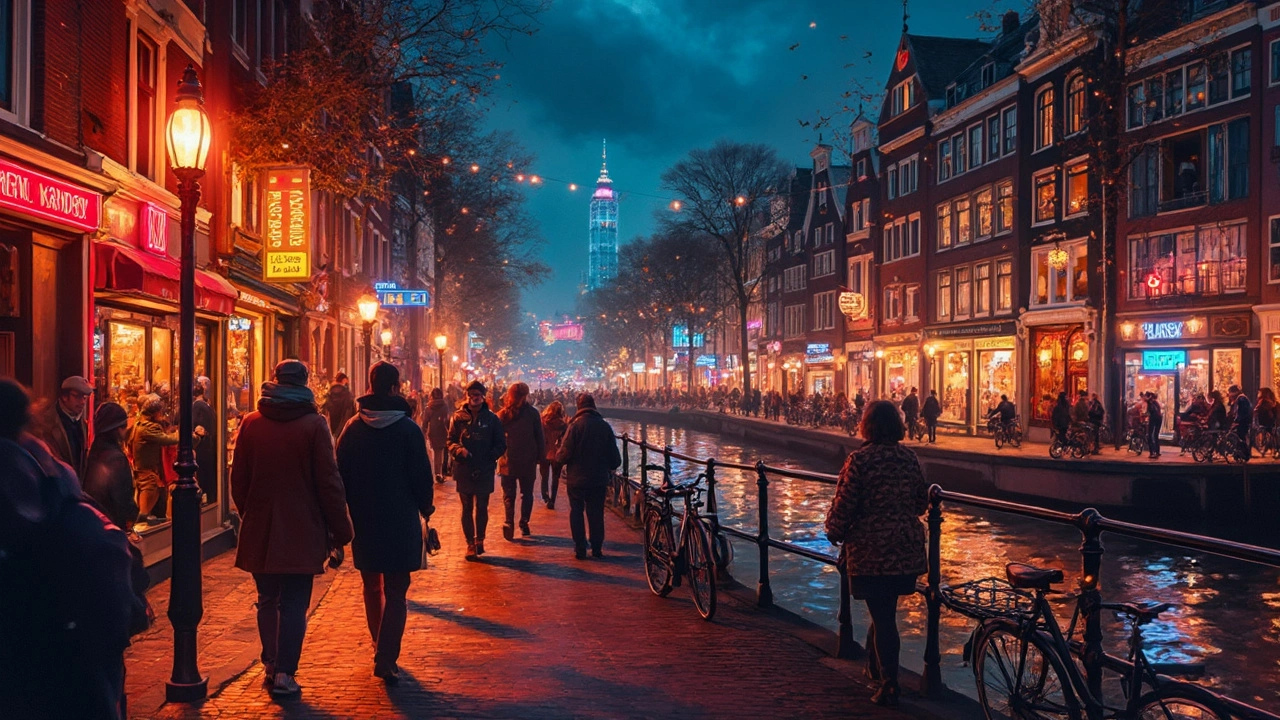
Five years ago, if you wanted to find a sex worker in Amsterdam, you’d walk down De Wallen, scan the windows, and hope someone waved you in. Today, most of them aren’t waiting in those windows. They’re scrolling through Instagram, posting on Twitter, or updating their profiles on private booking apps. Social media didn’t just change how sex workers in Amsterdam find clients-it rewrote the rules of survival, safety, and control.
The Shift From Windows to Screens
The Red Light District used to be the only place to go. Women worked in narrow rooms behind glass, lit by red bulbs, with no privacy and little power. Clients came and went. Pimps controlled the rent. Police showed up randomly. If you got sick, you couldn’t take time off without losing your spot. If a client was violent, you had to stay quiet. Now, most independent sex workers in Amsterdam run their own businesses online. They use Instagram to showcase their style, TikTok to share short videos (no explicit content, of course), and WhatsApp to book appointments. Some even have websites with portfolios, pricing, and availability. The window is gone. The desk is replaced by a laptop. The power shifted-from landlords and pimps-to the workers themselves.Control Over Safety and Boundaries
Before social media, safety was a gamble. You met strangers in dark alleys or behind glass. You couldn’t screen them. You couldn’t check their names. You couldn’t even ask for ID without risking the job. Today, workers use social media to vet clients before they ever step through the door. They check Instagram profiles. They look for real photos, not stock images. They ask for a full name and a selfie with a handwritten note. They share their location with a friend before a meeting. They use encrypted apps to communicate. Some even have a ‘client blacklist’ they share privately with other workers. A 2024 survey by the Dutch Sex Workers’ Union found that 78% of independent sex workers in Amsterdam now use social media to screen clients. Only 12% reported a violent incident in the past year-down from 34% in 2018. That’s not coincidence. It’s strategy.The New Marketing Game
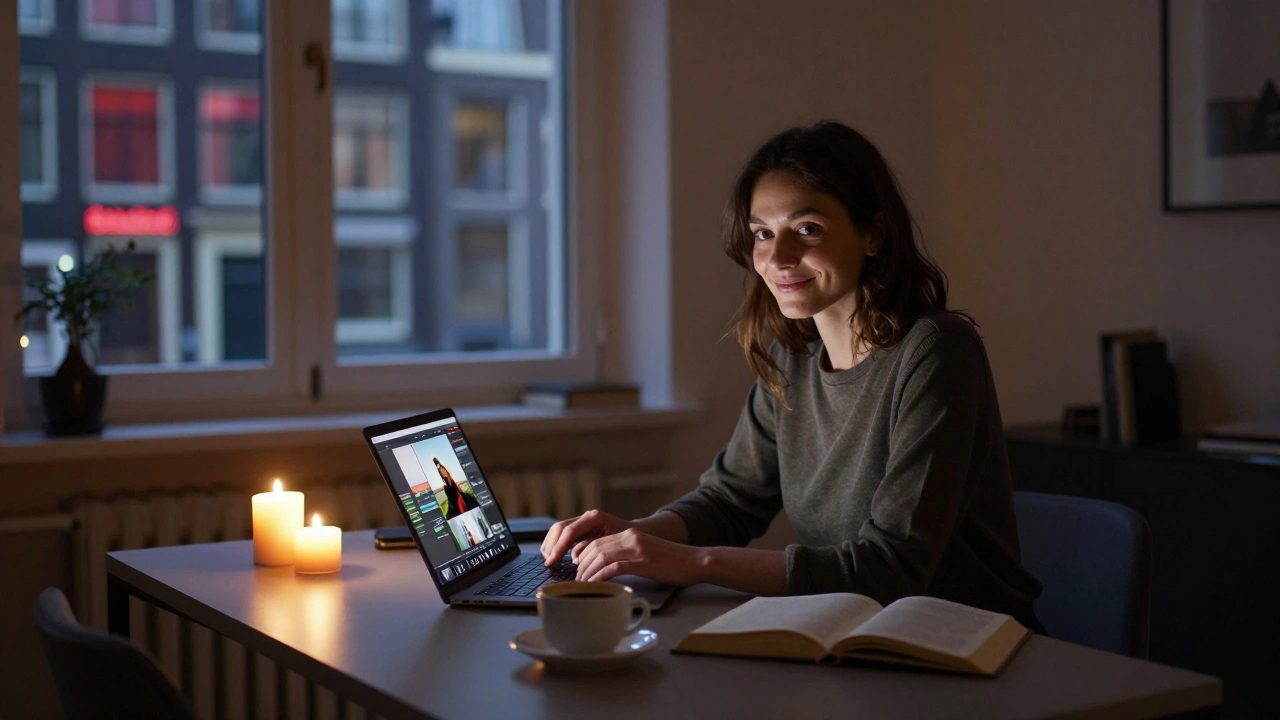
Social media turned sex work into a personal brand. Workers aren’t just offering a service-they’re selling an experience. A woman might post a photo of herself in a cozy apartment with candles, coffee, and a book. Another might share a short video of her morning routine: yoga, oat milk latte, and a smile. It’s not about nudity. It’s about vibe. Clients aren’t just looking for sex anymore. They’re looking for connection, comfort, or escape. The most successful workers in Amsterdam today aren’t the ones with the most tattoos or the tightest outfits. They’re the ones who build trust. Who make people feel seen. Who post consistently, respond quickly, and treat every client like a human, not a transaction. One worker, who goes by ‘Luna’ on her Instagram, told me last month: “I don’t sell sex. I sell peace. People come here because their lives are loud. My place is quiet.” She has 14,000 followers. She books out two weeks in advance. She doesn’t work in the Red Light District anymore. She works from a rented studio in Oud-West.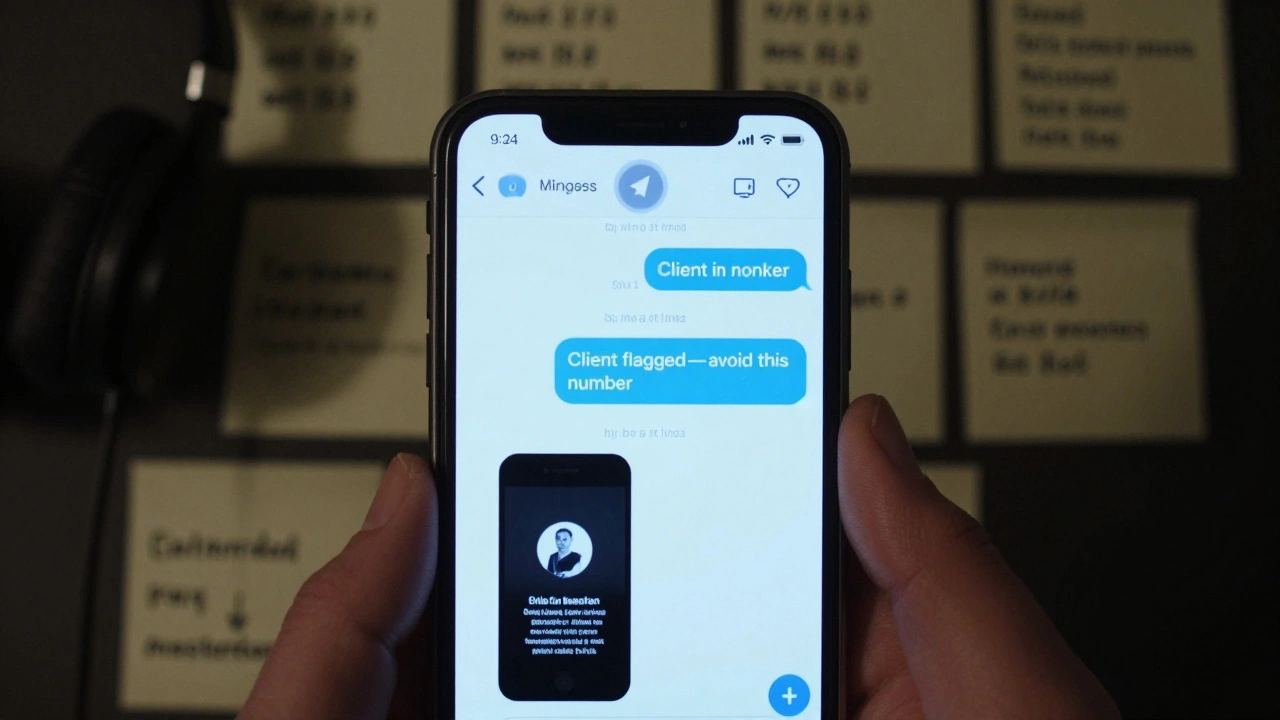
The Hidden Costs
It’s not all control and freedom. Social media brought new risks. Platforms like Instagram and Facebook regularly delete accounts of sex workers-sometimes without warning. One worker lost her entire client list overnight because a photo of her wristwatch was flagged as “suggestive.” Another got banned after a client reported her profile for “prostitution,” even though she never mentioned services in her posts. There’s also pressure. To post daily. To look perfect. To keep up with trends. To be always available. Some workers feel trapped in the algorithm. They work longer hours just to stay visible. They spend nights editing photos instead of resting. They compare themselves to others who seem to have it all-fancy apartments, designer clothes, happy clients. And then there’s the stigma. Even online, people assume the worst. A worker once told me she got a message from a stranger: “I know you’re a call girl. I just wanted to say you’re hot.” She didn’t respond. She blocked him. But the damage was done. She felt exposed. Alone. Seen as a product, not a person.What’s Next? The Rise of Private Networks
The smartest workers in Amsterdam are moving away from public platforms. They’re building their own closed networks. Private Telegram groups. Password-protected websites. Word-of-mouth referrals. They share tips, warn each other about dangerous clients, and even pool money to rent safe apartments together. A few collectives now offer legal advice, mental health support, and even financial planning for sex workers. One group, called ‘Safe Haven Amsterdam,’ runs a monthly meeting for independent workers. They teach how to use end-to-end encryption, how to file a police report without being judged, and how to save for retirement. These aren’t just survival tactics. They’re community-building. And they’re working.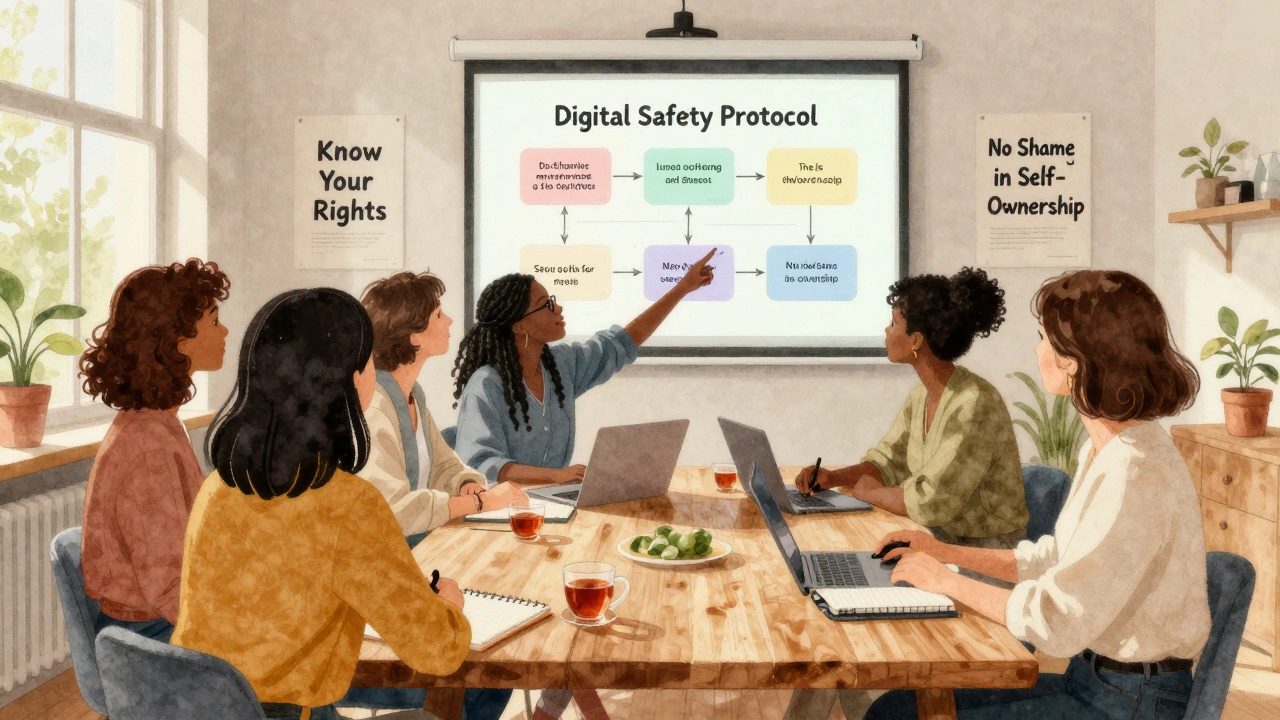
Why This Matters Beyond Amsterdam
What’s happening here isn’t unique. It’s happening in Berlin, Barcelona, and Bangkok. Wherever sex work is decriminalized-or at least tolerated-social media is becoming the new street corner. But Amsterdam is ahead because it’s one of the few places where sex workers have a voice. They’ve pushed for better laws. They’ve demanded that platforms stop deleting their accounts. They’ve created training programs for digital safety. They’ve turned isolation into solidarity. This isn’t about glamour. It’s about dignity. It’s about having control over your body, your time, and your income. And for the first time in decades, that’s possible.What You Should Know If You’re Considering This Work
If you’re thinking about entering sex work in Amsterdam today, here’s what you need to know:- Don’t rely on the Red Light District. The windows are fading fast.
- Build your brand online-but use private channels for booking.
- Always screen clients. Use a real name, a selfie, and a video call if possible.
- Never share your home address publicly. Use a PO box or coworking space for meetings.
- Join a worker collective. They’ll protect you better than any law ever could.
- Save money. Set aside 20% for taxes, emergencies, and time off.
- Know your rights. In the Netherlands, you can report violence without fear of arrest.
Sex work isn’t a choice for everyone. But for those who do it, the tools have changed. And with better tools, the game has changed too.
Is it legal to be a call girl in Amsterdam?
Yes. Prostitution is legal in the Netherlands, and sex workers can operate independently without a license. However, pimping, human trafficking, and operating brothels without permits are illegal. Many workers now run their own businesses from private apartments or rented studios, which is fully legal as long as they’re not hiring others or running a commercial establishment.
Can police shut down sex workers who use social media?
No, not if they’re working independently and not violating other laws. Police in Amsterdam don’t target individuals who advertise services online unless there’s evidence of coercion, underage involvement, or human trafficking. Most cases are handled through complaints, not raids. The focus is on protecting workers, not punishing them.
Do sex workers in Amsterdam pay taxes?
Yes. Independent sex workers are considered self-employed and must register with the Dutch Tax Office (Belastingdienst). They pay income tax, VAT on services, and social security contributions. Many now use accounting apps designed for freelancers. Some worker collectives offer free tax advice to members.
Why do platforms like Instagram ban sex workers?
Instagram and other platforms have automated systems that flag content they think is sexual-even if it’s not explicit. A photo of a woman in lingerie, a close-up of a tattoo, or even a candlelit room can trigger a ban. These systems aren’t trained to understand context. Many workers lose accounts without warning. That’s why more are moving to private networks like Telegram or encrypted websites.
Are there support groups for sex workers in Amsterdam?
Yes. Organizations like De Rode Draad and Safe Haven Amsterdam offer legal aid, mental health counseling, safety training, and financial workshops. They also help workers report abuse without fear of being criminalized. These groups are run by former sex workers and are trusted by the community.
If you’re visiting Amsterdam and curious about this world, remember: these are real people. Not a spectacle. Not a tourist attraction. They’re neighbors, friends, mothers, artists, and entrepreneurs. Their stories aren’t behind glass anymore. They’re online. And they’re speaking for themselves.