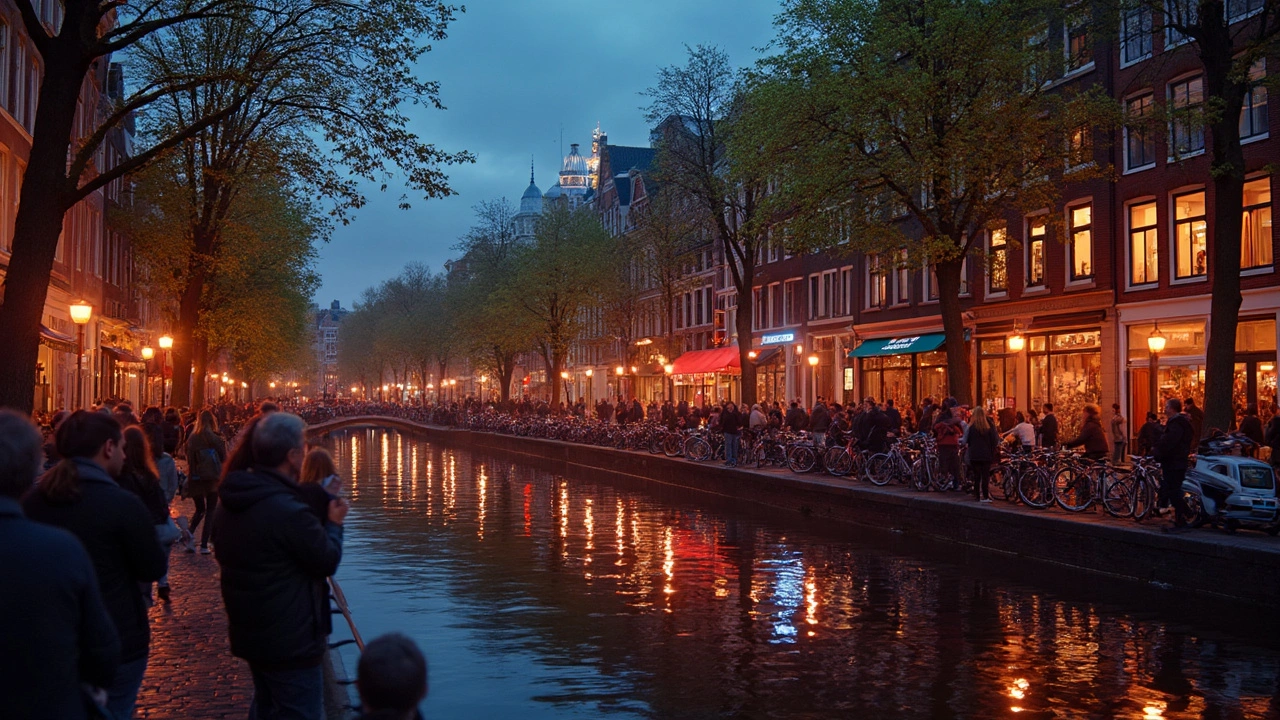

Amsterdam is famous for its open approach to sex work, but it’s not the only European city where escort services exist openly. If you’re curious how Amsterdam stacks up against places like Berlin, Barcelona, or even London, the differences go beyond just the red lights. What you see on the surface - windows, advertisements, street walkers - hides deeper truths about legality, safety, culture, and cost.
Amsterdam’s Red Light District: A Controlled System
Amsterdam’s window prostitution is legal and tightly regulated. Brothels must be licensed, workers are required to register with the city, and health checks are mandatory. The De Wallen district has around 300 windows, each occupied by one worker at a time. Most workers are independent contractors, not employees of the building owners. The city sets rent limits, enforces noise rules, and bans advertising that targets minors.
Prices in Amsterdam typically range from €50 to €100 for 15-30 minutes. There’s no tipping culture - the posted price is final. Workers often display their rates clearly in the window. You won’t find aggressive solicitation on the streets. The system is designed to keep things orderly, even if it feels transactional.
Berlin: More Discreet, Less Regulated
Berlin doesn’t have a single red light district like Amsterdam. Instead, sex work is legal but scattered. You’ll find independent escorts in apartments, small clubs, or online platforms. There’s no official zoning, no window brothels, and no centralized oversight. Workers must register as self-employed and pay taxes, but enforcement is inconsistent.
Costs are lower than Amsterdam - €40 to €80 for an hour - and many services include travel. The vibe is more casual. You’re more likely to book through a website like EscortList or Eros than walk into a window. Safety is a bigger concern. Without official oversight, there’s no way to verify if a worker is operating legally or has been exploited.
Barcelona: The Gray Zone
In Barcelona, prostitution itself isn’t illegal, but pimping, brothels, and soliciting in public are. That creates a messy middle ground. Many workers operate from apartments or short-term rentals, often advertised on social media or niche forums. Street walking is rare, but you’ll still see ads in certain neighborhoods like El Raval or Gràcia.
Prices start at €60 and go up to €150 depending on location and service. Tourists often get charged more. There’s no official registration system, so workers have no legal protections. Police raids happen occasionally, especially during tourist season. The lack of structure means risks are higher - for both workers and clients.

London: Underground and Risky
London is the strictest of these cities. Prostitution is legal only if it’s done privately by an individual. Any form of soliciting, brothel-keeping, or pimping is a crime. That pushes everything underground. You won’t find windows, street walkers, or licensed venues. Everything happens online - through forums, social media, or private websites.
Prices are higher: €100 to €200 for an hour. Many workers are based in apartments in areas like Soho, Camden, or Brixton. The lack of regulation makes safety a major issue. There’s no way to verify a worker’s identity, no health checks, and no recourse if something goes wrong. Scams are common. Many clients report being overcharged, ghosted, or even robbed.
Amsterdam vs. the Rest: Key Differences
Here’s how Amsterdam compares directly to the others:
| City | Legal Status | Typical Price (30 min) | Visibility | Safety for Workers |
|---|---|---|---|---|
| Amsterdam | Legal, regulated, licensed brothels | €50-€100 | High - windows, signs | High - health checks, registration |
| Berlin | Legal, self-employed, no brothels | €40-€80 | Moderate - online, apartments | Moderate - some registration, little oversight |
| Barcelona | Legal for individuals, illegal to run brothels | €60-€150 | Low - hidden, online ads | Low - no protections, police raids |
| London | Legal only if private, all other forms illegal | €100-€200 | Very low - fully underground | Very low - no oversight, high scam risk |
Amsterdam stands out because it’s the only city where the system is designed to protect workers and reduce harm. Other cities either ignore the issue or punish it, which makes everything more dangerous.
Why Amsterdam Works - And Why Others Don’t
The Dutch approach isn’t about promoting sex work. It’s about reducing harm. By bringing it into the open, they can enforce rules. Workers can report abuse. Clients know what they’re paying for. Health services are accessible. The city even runs outreach programs to help workers exit the industry if they want to.
In contrast, places like London and Barcelona criminalize the environment around sex work - not the act itself. That forces workers into hiding. They can’t get help if they’re threatened. They can’t report a violent client. They’re at the mercy of middlemen or online platforms that take 40% of their earnings.
Amsterdam’s model isn’t perfect. There are still cases of exploitation, especially among migrant workers. But the framework exists to fix it. In other cities, the framework doesn’t exist at all.
What Travelers Should Know
If you’re visiting Amsterdam and curious about the Red Light District, treat it like a museum - observe, don’t interfere. Don’t take photos. Don’t haggle. Don’t assume you’re entitled to a service just because you’re there. The women are working. Respect their space.
In other cities, don’t trust ads on random websites. Many are scams. Some are fronts for human trafficking. Even if something looks legitimate, there’s no guarantee of safety. If you’re looking for companionship, consider legal alternatives like dating apps or social events. They’re safer, more respectful, and often more fulfilling.
What’s Changing in 2025?
Amsterdam has started reducing the number of windows in De Wallen. The city plans to cut the number by 30% by 2027, moving toward a more integrated urban model. Some windows are being turned into cafes or shops. The goal is to reduce tourism-driven exploitation and make the area more livable for residents.
In Berlin, new laws are being debated to require online platforms to verify the identity of sex workers. Barcelona is cracking down on Airbnb listings used for escort services. London’s police have increased raids on massage parlors disguised as brothels.
The trend across Europe is clear: cities are trying to balance tolerance with control. Amsterdam remains the outlier - not because it’s more liberal, but because it’s the only one that built a real system.
Final Thoughts
Amsterdam’s approach to sex work isn’t about freedom. It’s about responsibility. It’s about acknowledging that people will seek these services - and choosing to manage it safely instead of pretending it doesn’t happen.
Other European cities still operate in the dark. They punish the symptoms instead of fixing the causes. That’s why workers there are more vulnerable. That’s why clients face higher risks. And that’s why, despite its flaws, Amsterdam still has the most functional model in Europe.
If you’re comparing cities, don’t just look at the price or the window lights. Look at who’s protected. Look at who has rights. That’s what really matters.
Is it legal to hire a call girl in Amsterdam?
Yes, paying for sex is legal in Amsterdam, as long as it’s consensual and the worker is registered. Brothels must be licensed, and workers are required to undergo health checks. The city regulates the industry to reduce exploitation and ensure safety.
Are call girls in Amsterdam safe?
Compared to other European cities, yes. Workers are registered, health checks are mandatory, and the environment is monitored. However, risks still exist - especially for undocumented workers or those pressured into the industry. Always respect boundaries, pay the posted price, and avoid aggressive behavior.
Why are prices higher in London than in Amsterdam?
London’s sex work is fully underground, so there’s no competition or regulation. Workers charge more to cover risks - police raids, scams, and lack of legal protection. In Amsterdam, prices are lower because the system is transparent, regulated, and competitive.
Can I take photos in Amsterdam’s Red Light District?
No. Taking photos of workers in their windows is illegal and considered harassment. It’s also deeply disrespectful. The Red Light District is a workplace, not a tourist attraction. Cameras are banned, and security guards enforce this rule.
What happens if I try to haggle over prices in Amsterdam?
Haggling is not accepted. Prices are clearly posted, and workers are not allowed to negotiate. Trying to haggle can result in being denied service, reported to security, or even banned from the area. The system is designed to prevent exploitation - including from clients.
Are there female or male escorts in Amsterdam?
Yes. While the Red Light District is mostly known for female workers, male and transgender escorts operate in Amsterdam too - often through private agencies or online platforms. They’re less visible but equally regulated if operating legally.
Amsterdam’s system isn’t the answer for every city. But it’s the only one in Europe that treats sex work as a real social issue - not a moral one. The rest are still playing catch-up.